


Introduction
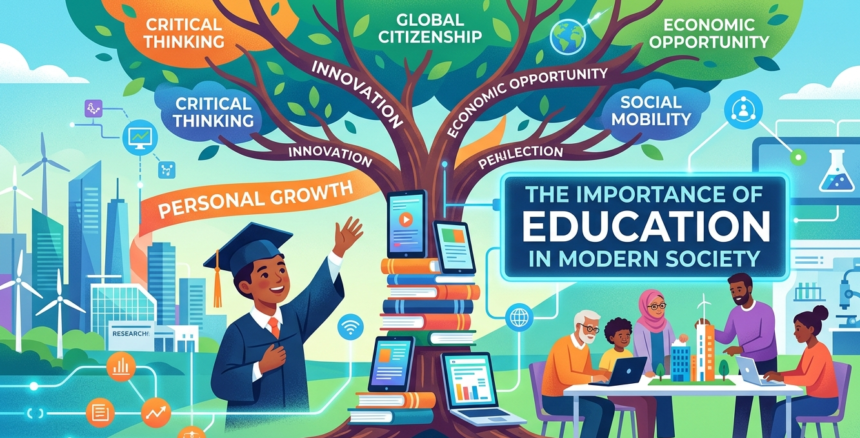
Education is a multifaceted concept that encompasses the process of acquiring knowledge, skills, values, and attitudes through various forms of teaching and learning. Its significance has evolved throughout history, adapting to the changing needs and complexities of society. In contemporary times, education is increasingly recognized as a cornerstone of development and progress, influencing every aspect of personal and professional life.
Historically, education served as a means to transmit cultural heritage and essential trade skills from one generation to the next. Ancient civilizations, such as those in Mesopotamia, Egypt, and Greece, established formal educational systems to prepare citizens for their societal roles, laying the groundwork for the formal institutions we recognize today. Over time, with the rise of industrialization and globalization, the role of education has expanded beyond mere survival skills. It has become crucial in cultivating critical thinking, creativity, and adaptability in an ever-changing landscape.
In the current context, education transforms lives by providing individuals with the tools necessary to navigate complex social, economic, and technological landscapes. It remains a vital area for investment, with implications extending to economic advancement, social mobility, and overall well-being. Basic literacy and numeracy are no longer sufficient; individuals must also cultivate digital literacy and interdisciplinary competencies to thrive in a competitive global market. Education is a powerful equalizer, offering opportunities to those who may be marginalized or disadvantaged, thus ensuring that all members of society have the potential to contribute meaningfully.
The importance of education in modern society cannot be overstated. As we embark on this exploration of its significance, it is essential to recognize that education is not merely a personal benefit but a societal necessity that drives innovation and fosters informed citizenship in contemporary life.
Education as a Tool for Personal Development
Education serves as a fundamental component in the journey of personal development, providing individuals with essential skills and knowledge necessary for navigating the complexities of life. Through structured learning, individuals acquire a variety of competencies that enhance their ability to analyze situations, think critically, and make informed decisions. These skills are not only applicable in academic settings but also in everyday life, enabling individuals to tackle challenges effectively.
Critical thinking is one of the most significant outcomes of education. It empowers learners to assess information, question assumptions, and formulate their own opinions based on evidence. This skill is crucial in a world that is increasingly saturated with information and differing viewpoints. By fostering critical thinking, education encourages individuals to become conscientious citizens, actively participating in discussions and contributing to their communities with informed insights.
Moreover, lifelong learning plays an integral role in personal fulfillment and self-esteem. The process of continual education—whether through formal channels such as universities or informal pathways such as workshops and online courses—ensures that individuals remain adaptable and equipped with up-to-date knowledge and skills. Engaging in lifelong learning fuels a sense of achievement and curiosity, leading to a more enriched life experience.
The impact of education on personal development thus extends beyond the acquisition of knowledge. It shapes individuals’ identities and trajectories, influencing how they perceive themselves and their capabilities. By actively engaging in the educational process, individuals can cultivate greater self-awareness, enhance their social skills, and build resilience, ultimately leading to improved self-esteem and a more fulfilling life. The transformative power of education uniquely positions it as a vital tool for personal growth in modern society.
Economic Impact of Education
Education plays a crucial role in shaping the economic landscape of modern society. As individuals acquire higher levels of education, they gain access to improved job opportunities, which, in turn, leads to increased income levels. Numerous studies indicate that individuals with advanced degrees tend to earn significantly more over their lifetimes as compared to those with lower educational attainment. This income disparity underscores the economic benefits of investing in education, both for individuals and for the broader economy.
Higher educational qualifications are often associated with superior job prospects. Employers frequently seek candidates with specialized knowledge and skills, which are cultivated through educational programs. This emphasis on educational credentials not only facilitates personal economic advancement but also enhances the overall productivity of the workforce. As a result, nations that prioritize education often experience economic growth, as a well-educated populace tends to drive innovation and efficiency in various sectors.
Moreover, there is a significant correlation between education levels and poverty reduction. With better education, individuals are equipped with the tools necessary to escape poverty cycles. Education fosters critical thinking, problem-solving capabilities, and resilience, enabling individuals to secure stable employment and contribute positively to their communities. Additionally, as education levels rise, there tends to be a decline in unemployment rates, further indicating that education is a powerful instrument in mitigating poverty.
In conclusion, the economic impact of education is profound, influencing individual income levels, job opportunities, and overall societal growth. It serves as a catalyst for personal and communal advancement, advocating for the need to invest in educational systems to foster a brighter future for all members of society.
Education and Social Equity
Education plays a vital role in fostering social equity and justice within modern society. It serves as a powerful equalizer, breaking down the barriers that often arise from socio-economic disparities. By facilitating access to quality education, marginalized groups can gain the necessary skills and knowledge that empower them to improve their circumstances. This empowerment is particularly crucial for those from low-income backgrounds, as education enables them to compete fairly in the job market, ultimately contributing to a deeper sense of social justice.
Moreover, education can bridge the socio-economic gaps that exist within communities. When individuals from diverse backgrounds are given the opportunity to learn and grow, societies collectively benefit from increased participation in civic life and the economy. Quality education programs cultivate critical thinking, creativity, and collaboration, which are essential skills in today’s ever-evolving landscape. By ensuring that students from varied backgrounds receive equitable educational resources, society can mitigate the entrenched inequalities that often plague disadvantaged populations.
Furthermore, by promoting inclusive education systems, communities can create environments that nurture respect and understanding among individuals of different backgrounds. This diversity not only enriches the learning experience but also reinforces social harmony. When students learn together, irrespective of their socio-economic status, they foster empathetic relationships that contribute to a more equitable social fabric. Ultimately, education acts as a catalyst for social change, equipping a diverse populace with the tools necessary for contributing to a more just society.
Education in the Global Context
In today’s increasingly interconnected world, the role of education transcends borders, becoming a pivotal driver of global citizenship. Education provides the foundation upon which individuals can develop a deeper understanding of various cultures, promoting empathy and respect for diversity. As societies merge and interact on platforms such as trade, technology exchange, and cultural diffusion, education acts as a vehicle for fostering relationships that enhance international collaboration.
Through inclusive educational practices, learners gain insights into global issues such as climate change, economic disparity, and human rights, which are crucial for navigating a world that is characterized by both complexity and interdependence. Learning environments that prioritize critical thinking and problem-solving can empower students to engage in meaningful discourse regarding global challenges. In this context, teachers play a vital role, equipping students with the necessary skills to analyze and tackle pressing international issues actively.
However, education systems around the world face significant challenges that can impede the goal of global citizenship. Factors such as economic inequality, political instability, and limited access to technology can hinder effective educational practices and undermine the quality of learning. Additionally, the disparity in educational resources can perpetuate cycles of poverty and disenfranchisement, making it essential for nations to prioritize investment in education as a means of ensuring equality and prosperity.
Moreover, globalization also brings about the necessity for educational frameworks that accommodate the rapidly changing job market. Programs focusing on proficiency in multiple languages and intercultural competencies can foster a workforce that can thrive internationally. By emphasizing the importance of education on a global scale, societies can work collectively toward building a future that is equitable, informed, and collaborative.
The Role of Technology in Education
The integration of technology in education has fundamentally transformed traditional educational methods, enhancing both teaching and learning experiences. The advent of digital tools has provided educators with innovative approaches to deliver content, facilitating personalized and engaging learning environments. Technologies such as interactive whiteboards, learning management systems, and multimedia resources have enabled educators to present information in varied, stimulating formats that cater to diverse learning styles.
One of the most significant impacts of technology in education is the increased accessibility it offers to students across the globe. Online platforms and digital resources break geographical barriers, allowing students from remote areas to access quality educational materials and expert instruction. Furthermore, the proliferation of Massive Open Online Courses (MOOCs) has democratized higher education, making it possible for individuals from various backgrounds to pursue knowledge without the constraints of traditional education systems.
Technology also fosters collaboration among students, promoting a sense of community and shared learning experiences. Online forums, discussion boards, and collaborative projects encourage peer interaction, allowing students to learn from one another and develop essential social skills. The use of technology in education fosters an environment where essential critical thinking and problem-solving skills can flourish, equipping students with competencies required for success in the modern workforce.
As we continue to witness advancements in technology, it’s essential for educators to adapt and implement new tools that enhance educational outcomes. Innovations such as artificial intelligence and virtual reality present unique opportunities for immersive learning experiences. By embracing technology, educational institutions can ensure they remain relevant and equipped to meet the ever-evolving needs of students. This powerful synergy between technology and education is paving the way for a more inclusive and effective educational landscape, ultimately benefiting learners and society as a whole.
Challenges Facing Education Today
Education systems worldwide are currently grappling with a multitude of challenges that impact their effectiveness and the quality of learning outcomes for students. One major issue is the inadequate funding that permeates many educational institutions. Insufficient financial resources lead to reduced access to essential teaching materials, outdated technology, and the need for essential educational infrastructure improvements. Schools in lower-income areas often experience the most severe effects, which exacerbates existing inequalities.
Inequality in education is another significant challenge that continues to persist. Disparities in educational opportunities arise from socio-economic factors, racial and ethnic divisions, and geographical locations. For instance, students from affluent backgrounds often have access to higher quality schools, experienced educators, and supplementary educational resources, while their counterparts in underprivileged communities face a lack of qualified teachers and fewer extracurricular activities. This inequality can adversely affect student motivation, achievement levels, and long-term prospects.
The relevance of the curriculum presents an additional challenge within modern education systems. As society evolves, so too do the skills and knowledge required to succeed in the workforce. However, many educational curriculums remain stagnant, failing to equip students with critical thinking abilities, technological aptitudes, and real-world applications of their learning. Consequently, students may find themselves ill-prepared for future employment opportunities, hindering both individual success as well as broader societal progress.
These challenges facing education today create a complex environment that has deep implications for student learning outcomes. Addressing issues of funding, inequality, and curriculum relevance is essential to fostering an education system that supports effective learning and prepares students to thrive in a rapidly changing world.
The Future of Education
As we look towards the future, education is poised for significant transformation driven by technology and evolving societal needs. Emerging educational paradigms, such as personalized learning and competency-based education, are setting the stage for a more tailored approach to student engagement and learning outcomes. These methodologies focus on meeting individual student needs, ensuring that education becomes adaptive and more relevant.
Personalized learning allows educators to customize their teaching techniques according to each student’s strengths, challenges, and interests. With the advent of advanced learning technologies, students can benefit from resources that adapt in real-time, providing a pathway for continuous improvement. This ability to personalize education not only enhances learning experiences but also fosters a deeper connection between students and their educational journeys.
Competency-based education, on the other hand, prioritizes understanding over traditional measures of time spent in classrooms. Students progress upon mastering specific skills and knowledge rather than adhering to a fixed curriculum schedule. This approach could lead to a more profound level of retention and application, aligning educational outcomes with the demands of a rapidly changing job market.
Furthermore, as society shifts towards increased technological integration, the role of educators will evolve. Teachers will transition from being mere dispensers of information to facilitators of knowledge, guiding students through complex concepts and encouraging critical thinking. In this new framework, collaborative learning and peer-to-peer interaction will play a vital role in enhancing the learning experience, making education more inclusive and widely accessible.
Ultimately, the future of education is rife with possibilities that emphasize dynamic, learner-centric approaches. As we embrace these changes, we navigate a path that could significantly impact societal structures, workforce capabilities, and the overall human experience in the years to come.
Conclusion
Education remains a cornerstone of modern society, playing a pivotal role in fostering individual growth, economic stability, and social progress. The multifaceted benefits of education extend beyond personal achievement, contributing significantly to the overarching fabric of a community. Through education, individuals are empowered to develop critical thinking skills, enabling them to navigate the complexities of contemporary life and make informed decisions.
Economically, education is a catalyst for growth. It equips individuals with the skills necessary for participation in an increasingly complex workforce. In this regard, education not only enhances employability but also drives innovation, productivity, and economic competitiveness. Societies that prioritize quality education witness higher rates of economic development, demonstrating the direct correlation between a well-educated populace and robust economic performance.
Furthermore, education serves as a vital tool in promoting social equity. It aids in breaking down barriers related to class, race, and gender, fostering an inclusive environment whereby individuals have equal opportunities to thrive. This social mobility contributes to a more cohesive society, reducing disparities and strengthening communal bonds. As communities advocate for accessible and equitable education, they lay the groundwork for a more just and harmonious future.
In light of these insights, it is imperative for individuals and societies to champion high-quality education as a fundamental right and a priority. Advocating for inclusive educational policies and supporting local educational initiatives can help ensure that all members of society gain access to the benefits of education. Ultimately, by recognizing and promoting the importance of education, we foster a better future for ourselves and the generations that follow.