

Cultural Exposure and Diversity
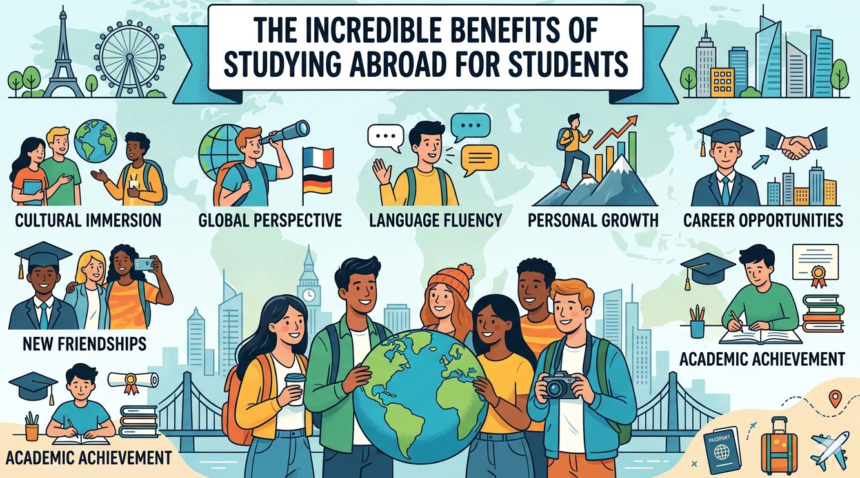
Studying abroad offers students a unique opportunity to immerse themselves in different cultures, providing firsthand experience of diverse languages, customs, and traditions. This cultural exposure not only enriches students’ educational journey but also significantly contributes to their personal development.
By engaging with people from different backgrounds, students gain insight into various cultural perspectives. This interaction fosters understanding and empathy, essential qualities in today’s interconnected world. For instance, a student attending university in a foreign country may participate in local festivals, culinary experiences, or community events, all of which serve to deepen their appreciation for the host culture’s unique characteristics.
Moreover, learning a new language plays an integral role in cultural immersion. It encourages students to step out of their comfort zones, enhancing their communication skills while enabling them to connect more effectively with locals. Being able to converse in the native language not only facilitates everyday transactions but also allows students to forge genuine relationships, bridging cultural gaps.
Furthermore, experiencing firsthand the traditions and lifestyles different from their own aids in developing a more nuanced worldview. Students often return with a broadened perspective, equipped with knowledge that transcends classroom learning. They become more adaptable, understanding, and culturally aware individuals—traits that are increasingly valued in various professional environments.
Ultimately, the vast experiences gained through studying abroad significantly broaden one’s worldview. Such transformative experiences prepare students to navigate and contribute effectively to an increasingly global society. In essence, understanding global diversity is pivotal for individuals striving to make meaningful contributions on both personal and professional levels.
Personal Growth and Independence
Studying abroad presents a unique opportunity for personal growth and the development of independence among students. Living in a foreign country introduces them to different cultures, languages, and social norms, pushing them out of their comfort zone. This exposure fosters adaptability, as students learn to navigate unfamiliar environments and situations. They often find themselves taking on responsibilities such as managing finances, cooking, and finding their way around new cities, which significantly enhances their self-reliance.
The challenges faced while studying abroad can be substantial. Students may encounter language barriers, cultural misunderstandings, and even homesickness. These experiences, however, serve as valuable learning opportunities. By confronting these hurdles, students cultivate resilience, learn problem-solving skills, and develop confidence in their ability to handle adversity. Over time, they come to appreciate their capacity to thrive under pressure, ultimately leading to stronger emotional intelligence.
Additionally, the friendships and networks formed during this period can contribute significantly to personal development. Engaging with peers from diverse backgrounds fosters open-mindedness and a broader perspective on life. This interaction helps students to understand and appreciate differing viewpoints, enhancing their social skills and emotional maturity.
Moreover, the independence gained from living abroad can have long-lasting effects. Many students return home with newfound confidence, having conquered personal challenges and developed a sense of identity and self-worth. They are often better equipped to tackle future obstacles, both academically and personally. As a result, studying abroad not only enriches their academic experience but also lays the foundation for continuous personal growth and independence that extends far beyond their time away.
Academic Enhancement and Global Perspectives
Studying abroad presents students with an array of academic benefits that significantly enhance their educational experiences. One of the primary advantages is the opportunity to engage with diverse educational systems, which fosters a deeper understanding of differing pedagogical approaches. This exposure not only broadens academic horizons but also equips students with a unique skill set that is increasingly sought after in today’s global job market.
Educational institutions in various countries may adopt distinctive teaching methods that diverge from traditional strategies students may be accustomed to. For instance, in some cultures, collaborative group projects are prioritized, promoting teamwork and critical thinking. In contrast, other educational systems may focus more on individual research tasks or experiential learning, allowing students to apply their knowledge in real-world situations. Such varied methodologies help cultivate adaptable learners who can thrive in multiple contexts.
Moreover, studying abroad allows students to explore fields of study that may not be as readily accessible within their home institutions. Specializations in certain disciplines, particularly those that address global challenges such as climate change, public health, and international relations, can often be pursued more extensively at international universities. This exposure to specialized programs enriches the academic landscape for students, making them more competitive in their respective fields.
Finally, international study opens doors to understanding global issues from multiple perspectives. Students are better able to appreciate the interconnectedness of world affairs and cultural differences. Engaging with peers from around the globe fosters a sense of global citizenship and encourages dialogue about pressing international topics. Overall, these academic enhancements and global perspectives serve to enrich students’ educational journeys, preparing them for successful futures in an increasingly interconnected world.
Language Acquisition and Communication Skills
Studying abroad offers a unique opportunity for students to immerse themselves in a foreign language environment, which significantly enhances language acquisition. When students are surrounded by native speakers, they are compelled to engage in everyday communication, thereby accelerating their learning process. This immersion makes it easier for students to grasp the nuances of the language, including colloquialisms and cultural contexts that are often absent from traditional classroom settings.
The ability to communicate effectively in more than one language is increasingly valuable in today’s global job market. Employers highly regard candidates who possess strong language skills, viewing them as versatile and adaptable individuals. As businesses continue to expand internationally, the demand for employees who can bridge language barriers is rising. Proficiency in a foreign language not only distinguishes candidates in a competitive job landscape but also equips them with the necessary skills to engage with diverse populations.
Moreover, the cognitive benefits of bilingualism are well-documented. Studies have shown that learning a second language can improve critical thinking and problem-solving abilities. Bilingual individuals often exhibit greater creativity and cognitive flexibility, allowing them to navigate complex situations more effectively. These cognitive advantages can lead to better performance in various aspects of life, including academic pursuits and professional environments.
In essence, immersion in a foreign language environment while studying abroad not only facilitates quicker language acquisition but also amplifies cognitive abilities and enhances employability. As students navigate new cultures and languages, they develop essential communication skills that are crucial for success in an interconnected world.
Networking and Career Opportunities
Studying abroad presents a unique opportunity for students to establish a robust international network, which is increasingly vital in today’s globalized job market. The exposure to diverse cultures and professional environments enables students to connect with peers, professors, and industry professionals who can serve as mentors and collaborators. These connections often extend beyond mere friendships; they can develop into professional alliances that prove beneficial throughout one’s career.
During their time abroad, students have the chance to engage in internships, volunteer positions, and academic projects that further contribute to building their professional network. Many universities offer career services that facilitate interactions with local businesses and organizations, boosting students’ chances of securing internships or job placements in their host country. The experience gained from working in a different cultural context can set candidates apart in competitive job markets, showcasing adaptability and global awareness.
Moreover, the connections formed while studying abroad can lead to future collaborations and employment opportunities. Alumni networks often extend worldwide, providing students access to a wealth of resources and professional guidance long after their return home. These networks enable graduates to tap into job openings in various regions and disciplines, enhancing their career trajectories.
In essence, the relationships forged during a study abroad program not only enrich students’ understanding of global perspectives but also create opportunities that may lead to meaningful careers. As students continue to cultivate these networks, the potential for collaborative projects and employment in an interconnected world becomes significantly greater, emphasizing the value of studying abroad as a stepping stone to future professional success.
Enhanced Resume and Employability
Studying abroad offers students a unique opportunity to enhance their resumes and improve their employability in today’s competitive job market. Employers increasingly value international experience as it demonstrates a candidate’s adaptability, cultural awareness, and global perspective – traits that are essential in an interconnected world. Those who have traveled and studied in a foreign country exhibit not only the ability to take initiative and step outside their comfort zones but also a willingness to embrace challenges.
Among the skills gained through studying abroad, effective communication stands out as particularly valuable. Students often find themselves in multilingual environments where they must navigate cross-cultural differences, requiring strong interpersonal skills to interact with peers from diverse backgrounds. This ability to communicate effectively is crucial in many industries, enhancing candidates’ prospects in roles that require collaboration and teamwork.
Additionally, problem-solving skills are significantly honed during a study abroad experience. Engaging with unfamiliar situations, such as adjusting to different educational systems or participating in local customs, cultivates critical thinking and resourcefulness. Employers are keen on candidates who can think on their feet and approach problems with creativity, further increasing the attractiveness of an applicant’s profile.
Furthermore, studying abroad fosters a sense of independence and resilience. Students often face the challenges of living in a new country, developing not only self-discipline but also the ability to manage time effectively and set personal goals. These qualities are highly regarded by employers looking for employees who can thrive in fast-paced environments and navigate uncertainties with confidence.
Incorporating international experience onto a resume showcases a candidate’s dedication to personal growth and professional development, making them stand out in the eyes of potential employers. As such, students who undertake the adventure of studying abroad are not just gaining academic knowledge but are enriching their employability, equipping themselves with a competitive edge in their future career endeavors.
Lifelong Friendships and Global Connections
One of the most enriching aspects of studying abroad is the opportunity to cultivate lifelong friendships and establish a global network of connections. As students immerse themselves in a new culture, they often find themselves forming bonds with individuals from diverse backgrounds. These friendships not only enhance the study abroad experience but also create a support system that can last a lifetime.
Engaging with fellow students from around the world fosters a unique environment where ideas, cultures, and traditions are exchanged. This not only allows for personal growth but also helps students develop a deeper understanding of global perspectives. The connections made during study abroad programs can lead to friendships that transcend geographical boundaries, enriching students’ lives long after their return home.
Furthermore, having a global network can be invaluable in both personal and professional realms. In a world that is increasingly interconnected, these relationships can open doors to new opportunities. Collaborative projects, business ventures, or even personal travel plans may arise from these international friendships. Students discover that their peers, often residing in different countries, can provide insights and connections that may not be easily accessible otherwise.
Additionally, while social media and technology facilitate maintenance of these relationships, the foundational experiences shared during a study abroad program make them particularly special. Hours spent studying together, traveling, and navigating new environments create cherished memories that enrich friendships. Participating in local activities or celebrating cultural festivals together significantly deepens these bonds.
In conclusion, the friendships formed during a study abroad experience contribute significantly to personal growth and development. They enhance the understanding of various cultures and encourage future collaborations, making them a vital component of any education abroad program.
Travel Opportunities and Adventure
Studying abroad opens up a world of travel opportunities that extend far beyond the classroom experience. One of the unique advantages of immersing oneself in a different country is the potential to explore neighboring regions and cultures. Students often find themselves in vibrant locales that serve as gateways to a multitude of destinations, enhancing their educational journey through firsthand experiences that simply cannot be replicated in a textbook.
The geographic diversity of many countries allows students to visit historic sites, natural wonders, and urban centers, enriching their understanding of global cultures. For instance, a student studying in Europe may easily travel from France to Spain, experiencing the distinct lifestyles, cuisines, and traditions of each region. Such explorations not only foster a sense of adventure but also encourage personal growth and empowerment. Being in unfamiliar environments challenges students to adapt and develop problem-solving skills, which are invaluable in both personal and professional contexts.
In addition to personal enrichment, travel during study abroad helps students articulate their own identities in relation to the broader world. Engaging with different cultures promotes empathy and cultural sensitivity, which are essential qualities in today’s interconnected society. These travel opportunities serve as practical extensions of academic learning, where theories are tested against the backdrop of real-world experiences. Moreover, the relationships formed with fellow travelers and locals can lead to lasting connections and a network of peers from around the globe.
Ultimately, the travel experiences gained while studying abroad contribute significantly to a student’s education. Each journey serves as a lesson in adaptability and global citizenship, equipping individuals with the skills and insights necessary for thriving in a diverse and ever-changing world.
Overcoming Challenges and Building Resilience
Studying abroad represents an enriching journey that comes with its share of challenges. Students often encounter homesickness, culture shock, and the pressure of adapting to new academic systems. These challenges vary in intensity and can significantly affect the overall experience. However, addressing and overcoming these hurdles plays a crucial role in developing resilience and personal growth.
Homesickness is commonly experienced among students who may find it difficult to be away from familiar surroundings and loved ones. This feeling can manifest as loneliness or a longing for comfort. To combat homesickness, students can actively engage in their new environment. Building new social connections and exploring local culture can aid in alleviating these feelings. Students often find that reaching out and forming friendships with peers can provide support and shared understanding, which can make the transition easier.
Culture shock, another prevalent challenge, arises when students encounter unfamiliar customs, language barriers, and different social norms. This phenomenon can lead to feelings of confusion and frustration. However, confronting culture shock directly fosters adaptability. Students learn to navigate through these unexpected hurdles, leading to a deeper appreciation for diversity and enhancing intercultural communication skills.
In facing these challenges, students develop critical life skills such as problem-solving, adaptability, and emotional management. These skills are not only vital for academic success but are equally important in their personal and professional lives. As students face and overcome obstacles, they build resilience, allowing them to approach future challenges with greater confidence.
Ultimately, the journey of studying abroad, despite its challenges, equips students with invaluable experiences and skills that contribute significantly to their personal development. The ability to navigate through difficulties not only cultivates a sense of resilience but also prepares them for the myriad challenges they may encounter in their future endeavors.