


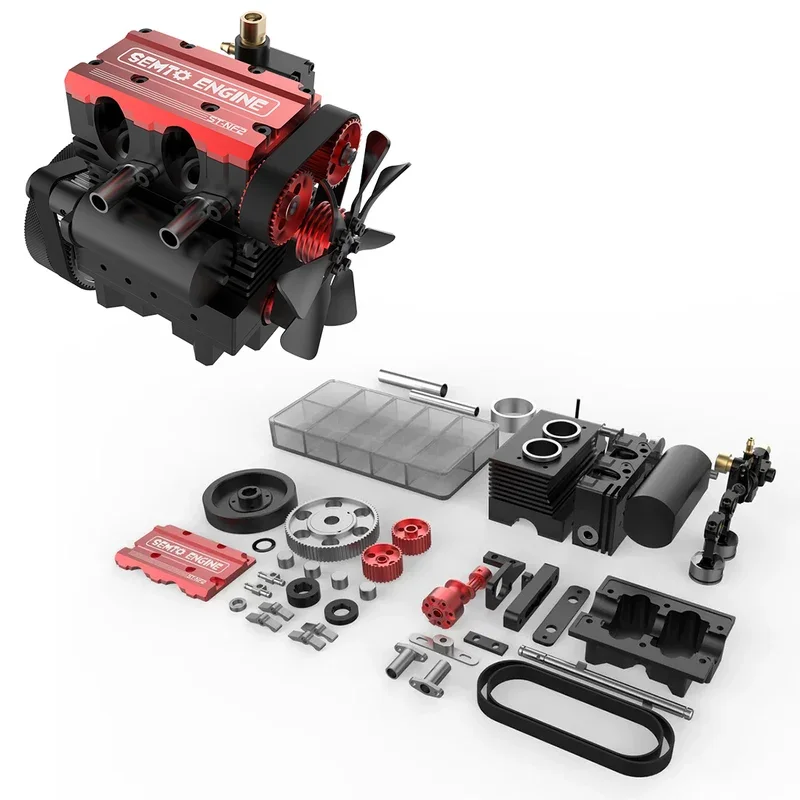
A miniature engine may fit comfortably on a workbench, but the mechanical ideas inside it can be surprisingly detailed. Small pistons, cylinders, shafts, and connecting parts must work together in a carefully planned sequence. For hobbyists who want to explore these details through hands-on projects, a semto engine offers an interesting way to see miniature mechanical systems in action.
The appeal is not simply in owning a small engine. It comes from understanding how the individual components work together and seeing those components turn a design into real movement.
Looking Beyond the Small Size
The first thing that makes miniature engines interesting is their ability to demonstrate complex mechanical principles at a manageable scale. A full-sized engine contains many components that can be difficult to inspect closely. With a miniature model, the mechanism is easier to observe.
Builders can see how rotating and moving components interact. A crankshaft, for example, does not work in isolation. Its movement is connected to other parts of the engine, creating a coordinated mechanical cycle.
This makes miniature engines useful for anyone curious about how machines work. Instead of seeing an engine as one complicated object, builders can break it down into smaller systems and understand each part.
Precision Matters in Every Component
Working with miniature machinery also highlights the importance of precision. When components are smaller, even small assembly mistakes can affect how the mechanism performs.
Parts need to be positioned correctly and connected carefully. A component that is slightly out of place may prevent another part from moving as intended.
This is where the building process becomes a learning experience. Builders need to pay attention to instructions, examine the relationship between components, and check their work as they progress.
The process may require patience, but it also makes the final result more rewarding.
How Mechanical Movement Comes Together
The most fascinating part of a working miniature engine is watching separate components become one moving system.
A piston moves through its cylinder while the crankshaft rotates. Connecting components transfer movement from one area of the engine to another. What initially looks like a collection of small parts begins operating as a coordinated machine.
This provides a practical look at mechanical engineering. Builders can observe concepts such as rotational movement, reciprocating motion, and the transfer of force without needing to study a full-sized engine.
It also explains why every component matters. The performance of the complete mechanism depends on many small parts doing their jobs correctly.
Exploring CISON Engine Models
Once someone becomes interested in miniature engines, exploring different designs can make the hobby even more engaging. Different models can introduce new mechanical arrangements and provide fresh assembly challenges.
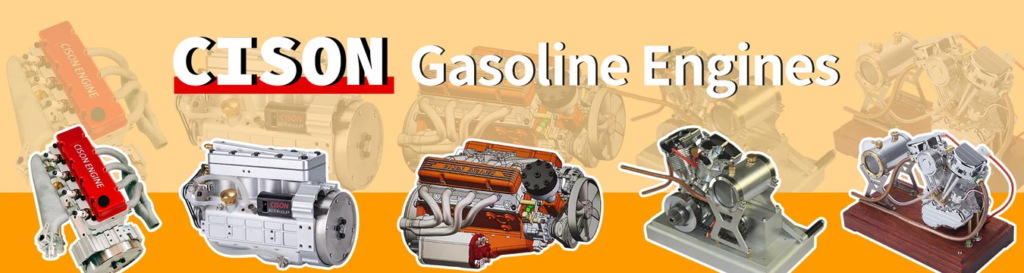
A cison engine kit offers another option for enthusiasts who want to explore detailed miniature engine models. The CISON collection available through EngineDIY is focused on engine models for hobbyists interested in hands-on mechanical projects.
These kits allow builders to look closely at miniature engine construction while experiencing the satisfaction of assembling a working mechanical model. For someone who has already completed a basic project, a different engine design can also provide an opportunity to develop new skills.
The right choice depends on the builder’s experience, interests, and preferred level of challenge.
Where Miniature Engineering Becomes Hands-On
EngineDIY provides a platform for enthusiasts who enjoy miniature engines, mechanical models, and practical engineering projects. Its collections bring together different types of engine models, giving hobbyists a place to explore mechanical building in a more hands-on way.
This is particularly appealing because engineering does not have to begin with a professional workshop. A small project on a workbench can introduce important ideas about precision, motion, assembly, and mechanical design.
The experience can also encourage further exploration. After understanding one engine, a builder may become interested in other designs and want to take on increasingly detailed projects.
What Builders Learn From the Process
The value of a miniature engine goes beyond the finished model. The assembly process itself develops useful habits.
Builders learn to work carefully, follow instructions, notice small details, and troubleshoot when something does not operate correctly. These are simple skills, but they are closely connected to the way engineers approach practical problems.
There is also an element of curiosity. Once a builder sees one mechanism operating, it is natural to wonder why it works that way and how another design might be different.
That curiosity can turn a single project into a long-term mechanical hobby.
Final Thoughts
SEMTO and CISON engines demonstrate how much engineering can be packed into a miniature machine. Their compact size makes complex mechanical ideas easier to observe, while the building process gives enthusiasts a direct connection with the technology.
From carefully positioning individual components to watching the finished mechanism move, every stage offers something to discover.
For anyone who enjoys machinery, model building, or hands-on learning, miniature engines provide a fascinating way to explore the mechanics behind real machines—one small component at a time.