


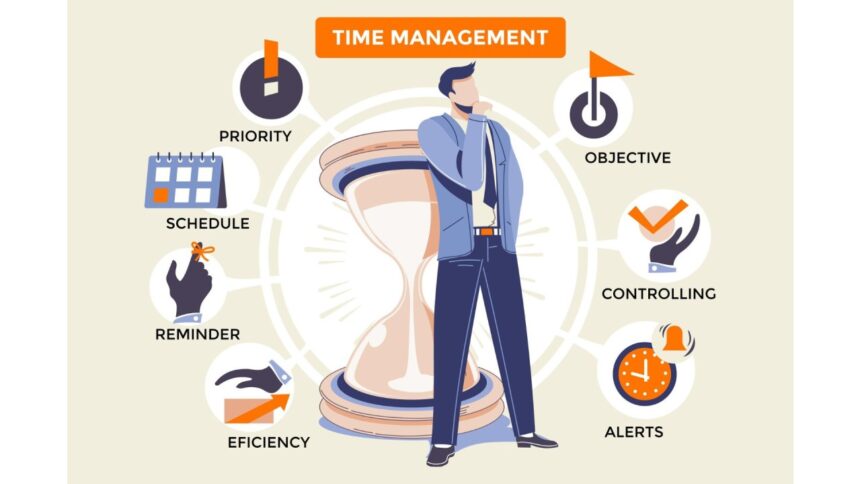
Introduction to Time Allocation Models
Time allocation models are systematic frameworks designed to optimize the distribution of time among various tasks and activities, particularly in the context of preparing for exams. In an educational environment, where students often juggle multiple subjects and responsibilities, the effectiveness of study time can significantly influence their academic performance. By employing time allocation models, individuals can strategically prioritize their study sessions, ensuring that their efforts yield the best possible results.
The essence of these models lies in their ability to help students identify and allocate time according to the complexity and urgency of each task. For instance, a student preparing for an upcoming exam might utilize a time allocation model by dividing their study schedule into blocks dedicated to different subjects, or specific topics within those subjects. This intentional division allows for a balanced approach to studying, minimizing the risk of burnout and enhancing retention through varied focus.
Moreover, time allocation models can integrate various techniques such as the Pomodoro Technique, which suggests working in focused bursts followed by short breaks. This method can further boost productivity by maintaining concentration and allowing for mental refreshment. Understanding how to effectively employ these models is crucial for students, as it not only aids in managing their time but also fosters a proactive approach to learning.
In conclusion, the significance of time allocation models in maximizing productivity during exam preparation cannot be understated. As academic demands continue to increase, having a structured plan to manage study time effectively is more critical than ever for ensuring academic success.
Understanding Productivity in the Context of Exams
In the context of exam preparation, productivity is often equated with the effective use of time to achieve academic goals. It involves utilizing study methods and time allocation models that maximize output while minimizing wasted effort. A productive study session is characterized not only by the quantity of material reviewed but also by the quality of engagement with the material. This engagement can take various forms, such as active recall, summarization, or practice tests, all of which facilitate deeper understanding and long-term retention.
Efficiency in study time is crucial for several reasons. Firstly, students often face multiple subjects and a finite amount of time, making it imperative to adopt strategies that prioritize key concepts and skills. By focusing on high-yield materials and practicing retrieval techniques, students can significantly reduce the hours spent studying while simultaneously improving their grasp of the content. This approach addresses the common dilemma of feeling overwhelmed with the sheer volume of information that needs to be mastered before an exam.
Moreover, understanding productivity in this context also includes recognizing the importance of mental well-being and time management. A well-structured study schedule that balances study time with necessary breaks can prevent burnout and enhance focus. Techniques such as the Pomodoro Technique can be beneficial in creating a rhythm between periods of intense study and rest. This not only fosters productivity but also aids in maintaining motivation throughout the study period.
Ultimately, productivity in exam preparation transcends mere memorization; it embodies an adaptive approach to learning that emphasizes the strategic use of time and resources. By embracing productivity models geared towards efficient studying, students can optimize their exam readiness and outperform their expectations.
Different Time Allocation Models
In the quest for maximizing exam productivity efficiency, various time allocation models have emerged as effective strategies for optimizing study time. Each model offers unique benefits and can be tailored to fit individual learning styles and needs.
One of the most popular methods is the Pomodoro Technique, which involves breaking study time into short, focused intervals of approximately 25 minutes, known as “Pomodoros,” followed by a five-minute break. This model not only enhances concentration but also prevents burnout, making it ideal for those who struggle with maintaining long periods of focus. After completing four Pomodoros, a longer break of 15 to 30 minutes is recommended, allowing the mind to rest and recharge.
Another effective approach is Time Blocking. This method involves dividing the day into blocks of time, each dedicated to specific tasks or subjects. By allocating a defined time slot for each activity, learners can eliminate distractions and create a structured environment conducive to studying. This model is particularly beneficial for students juggling multiple commitments, as it allows for a clear overview of priorities and time management.
Lastly, the Eisenhower Matrix is a prioritization tool that helps students distinguish between urgent and important tasks. It categorizes tasks into four quadrants based on their urgency and importance, guiding learners on where to focus their efforts and resources. By identifying critical study areas, students can allocate their time more efficiently, ensuring that they address high-priority subjects before moving on to lower priority ones.
By exploring these various time allocation models—Pomodoro Technique, Time Blocking, and the Eisenhower Matrix—students can find an optimal approach for their unique study habits, ultimately leading to increased productivity and exam success.
Assessing Individual Learning Styles
Recognizing and understanding individual learning styles is a pivotal aspect of optimizing study time allocation and enhancing exam productivity. Each learner possesses unique preferences that can significantly influence how they acquire and retain information. The four primary learning styles include visual, auditory, reading/writing, and kinesthetic, each offering distinct advantages when crafting effective study schedules.
Visual learners often benefit from diagrams, charts, and illustrations. These learners tend to grasp information better when it is presented in a visually appealing format. Therefore, when scheduling study sessions, incorporating visual aids such as infographics or color-coded notes can be particularly effective. Allocating dedicated time to review these materials can help solidify understanding and retention.
Auditory learners, on the other hand, thrive in environments where they can engage in discussions or listen to lectures. These individuals often retain information better through sound. For auditory learners, study schedules should include ample time for listening to recordings or participating in study groups to discuss topics aloud. Integrating a variety of audio resources, such as podcasts or educational videos, into their routine can enhance their productivity.
Reading/writing learners excel when engaging with textual or written content. They may prefer to take extensive notes or read detailed materials. Crafting study plans for this group should provide ample opportunities for extensive reading and writing. Classes that emphasize essay writing or quizzes based on readings may also be particularly beneficial.
Lastly, kinesthetic learners adapt and thrive through hands-on experiences and movement. Incorporating interactive activities, such as conducting experiments or using physical objects to understand concepts, can significantly benefit these learners. Scheduling study periods that involve active engagement will help them retain information more efficiently.
By assessing learning styles, students can devise tailored time allocation models that align with their natural preferences, ultimately enhancing their overall study effectiveness and exam preparedness.
Creating a Personalized Study Schedule
Developing a personalized study schedule is essential for maximizing exam productivity efficiency. By employing time allocation models, students can create a structured yet flexible plan that accommodates their unique learning styles and daily routines. The first step in crafting this study schedule involves identifying peak productivity times. This refers to the hours during which students feel most alert and focused. Tracking daily energy levels can help in determining these optimum periods.
Once peak productivity times are established, the next step is to allocate specific study blocks. Breaking study time into manageable sessions is crucial. The Pomodoro Technique, for example, suggests studying for 25 minutes followed by a 5-minute break. Such intervals not only help in maintaining concentration but also reduce mental fatigue. It is advisable to incorporate longer breaks after several study sessions, such as a 15-minute pause following four cycles. These breaks are vital for cognitive refreshment and can improve retention of the material.
Flexibility is another core aspect of a personalized study schedule. While consistency is important, adapting the study plan to accommodate unexpected events or varying motivation levels is equally essential. Weekly assessments of productivity can guide necessary adjustments—students should feel empowered to modify their schedules as needed, embracing a dynamic approach to their learning process.
Lastly, integrating rest days into the schedule cannot be overlooked. Regular breaks from studying not only prevent burnout but also foster long-term retention of information and skill mastery. By balancing study time with adequate rest and leisure activities, students can sustain their inspiration and enthusiasm throughout their preparation period. Overall, a well-structured personalized study schedule enhances exam readiness and productivity, leading to improved academic outcomes.
Incorporating Breaks for Enhanced Efficiency
The integration of breaks into study schedules is paramount for optimizing exam productivity and overall learning efficiency. Research consistently indicates that taking regular breaks can significantly enhance both retention of information and cognitive performance. When engaging in study sessions, students often overlook the importance of periodic rest, assuming that prolonged, uninterrupted focus will yield better results. However, this approach can lead to mental fatigue, resulting in diminished concentration and productivity.
From a scientific perspective, the brain operates optimally when it alternates between intense focus and relaxation. During study sessions, the brain consolidates newly acquired information into long-term memory. Taking breaks aids this process by allowing neural connections to strengthen. According to studies conducted by cognitive psychologists, the Pomodoro Technique—typically involving study intervals of 25 minutes followed by a 5-minute break—can increase retention rates and enhance recall.
Moreover, breaks serve not only as a restorative period but also as a valuable time for regaining motivation. Engaging in light physical activity or simply stepping away from academic material during these intervals can stimulate circulation, elevate mood, and reinvigorate focus. By incorporating short walks or stretching exercises, students are likely to notice a subsequent increase in their capacity to absorb information and solve complex problems. This phenomenon is attributed to the brain’s need for oxygen, which improves cognitive functions when one breaks away from a continuous study pattern.
In essence, while diligence in study routines is essential, it is equally important to prioritize well-timed breaks. This strategy not only maximizes efficiency but also fosters a healthier approach to studying, ultimately preparing students better for exams.
Evaluating Effectiveness of Time Allocation Strategies
To optimize exam preparation, it is pivotal to assess the effectiveness of the time allocation strategies employed. A systematic approach to evaluation not only fosters better time management but also enhances overall productivity. This process begins with establishing clear objectives which delineate what outcomes are expected from the exam preparation phase. Such clarity aids in identifying whether the adopted time allocation models are meeting their intended goals.
Regular self-reflection plays a critical role in evaluating these strategies. After each study session, students should take a moment to assess how effectively their time was utilized. Questions such as, “Did I stick to the planned schedule?” or “Was the allocated time sufficient to cover the topics?” can provide valuable insights into the time allocation process. Keeping a journal or maintaining digital records of these reflections can aid in visualizing growth and identifying patterns over time.
Furthermore, adjustments should be made based on the insights gained from these self-reflections. For instance, if a particular strategy consistently results in incomplete topics, it may be prudent to reconsider the allotted time or the method of engagement with the material. The flexibility to adapt is crucial; the ability to refine one’s approach based on actual results leads not only to improved efficiency but also helps in aligning studies with one’s personal learning style.
Ultimately, continuous evaluation empowers students to become proactive in their exam preparation while reinforcing productive habits. By integrating self-reflection and adaptability into their time allocation practices, significant improvements in exam productivity can be achieved, leading to enhanced outcomes during exams.
Common Pitfalls and Solutions
Many students encounter various challenges in time allocation and maintaining productivity while preparing for exams. One significant pitfall is procrastination, which can stem from a lack of structure or overwhelming anxiety about the upcoming assessments. When faced with too many tasks or subjects, students may feel daunted, leading to avoidance behaviors. To combat procrastination, it is vital to establish a clear and realistic study timetable that breaks down study sessions into manageable chunks. This approach not only makes the workload seem less intimidating but also allows for more focused periods of study, enhancing overall efficiency.
Another common challenge is distractions, which can significantly hinder productivity. Students often find themselves sidetracked by digital devices, social media, or even household chores. To address these distractions, students should create a dedicated study environment that is free from interruptions. Implementing techniques such as the Pomodoro Technique, where study intervals are followed by short breaks, can improve concentration and make study sessions feel more productive. Utilizing website blockers during study times can also help to minimize off-task behavior.
Additionally, poor time management can severely impact exam preparation. Many students struggle with prioritizing tasks according to deadlines and importance. Developing a prioritization matrix can assist students in visualizing which tasks require immediate attention. Tools such as calendars and task management apps can aid in tracking progress and ensuring that all subjects receive adequate attention. Furthermore, it is crucial to factor in regular revisions and self-assessment exercises into the study plan, as these strengthen knowledge retention and confidence, ultimately leading to greater success in examination performance.
Conclusion and Future Considerations
Time allocation models play a crucial role in enhancing productivity, particularly when it comes to preparing for exams. These models provide students with structured approaches to manage their study sessions effectively. By incorporating techniques such as the Pomodoro Technique, block scheduling, and prioritization frameworks, learners can distribute their time in a way that maximizes focus and retention. The importance of tailoring these models to individual preferences and learning styles cannot be understated, as personalization boosts engagement and motivation.
Throughout this discussion, various time allocation strategies have been examined, highlighting how they contribute to improved efficiency in exam preparation. Adopting a specific model aids in reducing procrastination, maintaining motivation, and ensuring a balanced approach to studying. Additionally, recognizing the interplay between time management and mental health is vital; productive exam preparation not only hinges on effective allocation but also on understanding when to take breaks and eliminate burnout risks.
Looking ahead, it is essential for students to continually evaluate and adapt their time allocation models as academic demands evolve. Experimentation with different strategies will allow for a more comprehensive understanding of what resonates best with individual study habits. As educational environments change, so too should the approaches students take in managing their time.
Ultimately, the goal of these time allocation models is to optimize exam productivity. By remaining open to change and willing to refine their techniques, students can significantly enhance their academic performance and foster a lifelong commitment to effective time management. Embracing a flexible mindset towards these models may not only improve study efficiency but can also cultivate skills beneficial throughout one’s career.