


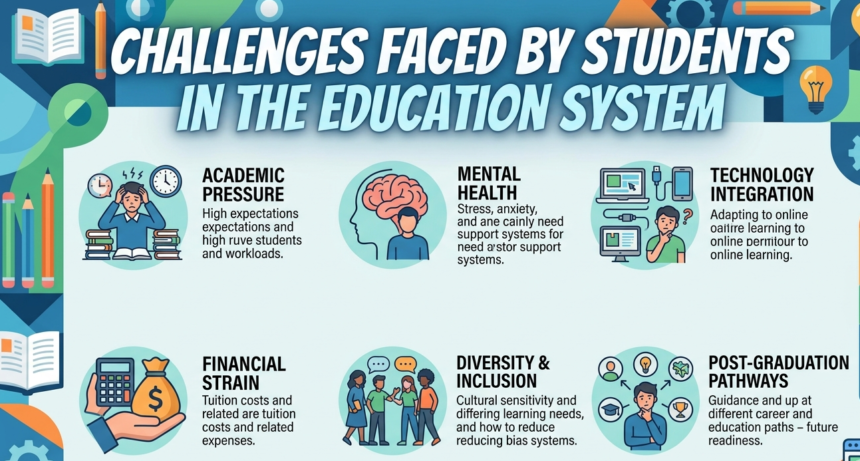
Understanding the Educational Landscape
The educational landscape is a multifaceted realm, encompassing diverse institutions, methodologies, and experiences that collectively shape the lives of students. This complexity is further heightened by the rapid pace of societal change, technological advancements, and evolving educational policies. Today’s students navigate this intricate environment, which presents both significant opportunities and formidable challenges.
One prominent challenge is the disparity in educational resources. Students from varying socio-economic backgrounds often experience vastly different levels of access to quality educational tools, technology, and support systems. This disparity not only impacts learning outcomes but also influences students’ engagement and motivation. Furthermore, the increasing incidence of mental health issues among students adds a layer of complexity, as anxiety and stress can severely hinder academic performance and overall well-being.
Additionally, the rising demands of standardized testing and curriculum expectations can create a pressure cooker environment, where students feel compelled to perform at levels that may exceed their capabilities. Such pressures can lead to burnout and disillusionment, prompting a critical discussion about the effectiveness of the current educational system.
Moreover, the advent of digital learning and remote education—accelerated by the global pandemic—has uncovered both potential and pitfalls. Students have had to adapt to new learning environments that may lack the structure and personal interaction conducive to effective learning. As educators and policy-makers evaluate these transitions, it becomes essential to ascertain how these shifts affect student learning experiences and outcomes.
Addressing these challenges is paramount, not only for enhancing individual student experiences but also for fostering a more equitable and effective education system. Understanding the dynamics at play within the educational landscape lays the groundwork for developing solutions that respond to the pressing needs of students today.
Funding and Resource Allocation
The allocation of funding within the educational system plays a pivotal role in determining the quality of education that students receive. In many cases, public schools face significant budget constraints that limit their ability to provide essential resources and opportunities for their students. Consequently, inadequate funding often results in outdated textbooks, insufficient technology, and a lack of extracurricular programs that are vital for a well-rounded education.
Furthermore, the disparity in funding between various school districts exacerbates inequalities among students. Wealthier districts tend to have access to more funding, allowing for better facilities, smaller class sizes, and a wider range of educational programs. In contrast, schools in lower-income areas may struggle to maintain basic operational capabilities. This funding imbalance can lead to a cycle where students from underfunded schools do not receive the same quality of education and resources as their wealthier peers, hindering their academic and personal development.
The ramifications of inadequate funding extend beyond resources. Teacher salaries, which are often tied to district budgets, can be negatively impacted by limited funding. This can lead to high turnover rates and difficulties in attracting and retaining qualified educators, ultimately affecting the learning environment. Teachers are often compelled to spend their own money on classroom supplies or seek alternative ways to enrich their teaching materials, further straining their finances.
Therefore, addressing the issue of funding and resource allocation is essential for creating a more equitable education system that adequately supports all students. Solutions such as increased investment in public education, equitable distribution of resources, and community engagement initiatives are necessary to ensure that every student has access to high-quality educational experiences. Only by confronting these challenges can we hope to enhance the learning experiences for all students and promote educational equity.
Mental Health Issues Among Students
The prevalence of mental health issues among students has emerged as a significant concern within the education system. As academic pressures escalate, many students experience heightened levels of anxiety and depression. These challenges compromise not only their academic performance but also their overall well-being. Recent studies indicate that approximately one in five students faces mental health challenges, making it crucial to address the systemic factors contributing to this crisis.
Despite growing awareness, educational institutions often struggle to provide adequate support for students grappling with mental health issues. Resource gaps, coupled with a lack of trained professionals, hinder schools’ abilities to effectively address students’ needs. Counseling services are frequently overburdened, leading to long waiting times and inadequate individualized attention. Furthermore, the stigma surrounding mental health continues to prevent many students from seeking help, as they may fear judgment or repercussions in their academic environments.
This inadequate support system highlights the need for a paradigm shift within the education sector. Schools must prioritize mental health by incorporating programs that promote well-being and resilience. Comprehensive mental health education can empower students to recognize and manage their emotions effectively. Additionally, fostering a culture of openness and acceptance can mitigate stigma and encourage more students to seek assistance when needed.
To navigate this complex issue, educators and policymakers must collaborate to develop actionable strategies that integrate mental health resources into the educational framework. By doing so, they can create a supportive environment that recognizes the importance of mental well-being as a foundational aspect of educational success. Addressing mental health challenges among students is essential for cultivating a healthier, more resilient future generation, capable of thriving within both academic and personal realms.
Learning Disabilities and Diverse Learning Needs
In today’s educational landscape, students with learning disabilities face significant challenges in traditional classroom settings. These challenges can stem from various forms of learning disabilities, such as dyslexia, ADHD, and autism spectrum disorders, which impact students’ abilities to process information and engage with standard curricula. Consequently, these students may struggle with reading comprehension, task completion, and social interactions, leading to frustration and reduced self-esteem.
The traditional educational environment often employs a one-size-fits-all approach, which can exacerbate the difficulties faced by these students. Standardized teaching methods may not accommodate the diverse learning needs present in the classroom, making it critical to recognize that effective learning requires individualized strategies. Furthermore, there is often a lack of resources and training for educators to effectively support students with learning disabilities, leaving these students feeling unsupported and marginalized.
Inclusivity in education plays a paramount role in addressing these challenges. By fostering an inclusive learning environment, schools can ensure that all students, regardless of their learning type, have access to the support they require. This may include differentiated instruction, use of assistive technologies, and specialized interventions tailored to the unique needs of each student. Emphasizing collaborative learning also promotes positive peer relationships, helping students with disabilities to develop social skills and a sense of belonging.
Holistic approaches that consider emotional, social, and cognitive factors are essential to nurture diverse learning needs comprehensively. By understanding and accommodating different learning abilities, educators can create an environment where every student has the opportunity to thrive and succeed, ultimately contributing to a more equitable and effective educational system.
Standardized Testing Pressure
Standardized testing has become a critical component of the educational landscape, often serving as a barometer for student performance and teacher effectiveness. The increasing emphasis on these assessments has led to significant pressure on students, which can adversely affect their academic experience and mental well-being. This pressure typically arises from the need to achieve high scores that are often tied to funding for schools, college admissions, and even student placement in advanced programs.
The stress associated with standardized testing can manifest in various ways. Many students report feelings of anxiety leading up to the test dates, which can in turn compromise their performance. This anxiety can be compounded by parental expectations and societal norms that equate test scores with intelligence and future success. Consequently, students may become overly focused on test preparation, sacrificing a broader educational experience that fosters critical thinking, creativity, and a love for learning.
Moreover, the reliance on standardized tests may lead to detrimental long-term implications for students. When schools prioritize test performance, the curriculum may become narrowed to focus primarily on test content, often at the expense of more holistic learning opportunities. Subjects such as art, music, and physical education may be deprioritized, reducing the diversity of education that is crucial for fostering well-rounded individuals. In effect, this limited approach can stifle innovation and critical skills that are essential in today’s rapidly changing world.
In conclusion, while standardized testing serves specific administrative purposes, its impact on student stress levels and educational depth cannot be overlooked. The pressure to perform can inhibit the overall learning experience, compelling educators and policymakers to reconsider the role of standardized assessments in the education system.
Access to Technology and Digital Divide
The digital divide represents a significant barrier to educational equity in today’s technologically-driven world. In many low-income areas, students often lack access to essential technological resources, such as computers and high-speed internet, which are crucial for completing assignments, engaging in remote learning, and acquiring digital literacy skills. Without these resources, students are at a disadvantage compared to their peers who have ready access to technology.
Additionally, the reliance on technology in education has only amplified during recent years, particularly with the rise of hybrid and remote learning models necessitated by the global pandemic. For students from economically disadvantaged backgrounds, not having adequate access to devices can lead to missed learning opportunities, widening the achievement gap. Research has shown that students who do not have sufficient technological tools struggle with their coursework, contributing to lower academic performance and increased dropout rates.
The digital divide is not solely a matter of physical devices; it also encompasses the quality and availability of internet connectivity. In rural and underserved urban regions, high-speed internet can be unreliable or entirely absent, leaving students unable to participate in online classes or access digital educational materials. This technological inequity perpetuates a cycle of disadvantage that disproportionately impacts marginalized communities.
Addressing these challenges requires a comprehensive strategy that involves government initiatives, private sector involvement, and community engagement. Programs aimed at providing devices and reliable internet access to low-income students are essential to bridging this digital divide. Furthermore, fostering partnerships between schools and local organizations can help create sustainable resources for technology access, ultimately promoting a more equitable educational landscape.
Parental involvement plays a critical role in shaping a student’s educational journey. Numerous studies indicate that students whose parents are actively engaged in their education tend to perform better academically and exhibit higher levels of motivation. Conversely, when parental involvement is lacking, students often face significant challenges that can hinder their educational achievements.
The level of parental support can vary greatly, influenced by factors such as socioeconomic status, cultural backgrounds, and parental education levels. For instance, parents with higher educational attainment are often more equipped to assist with homework, communicate effectively with teachers, and advocate for their child’s educational needs. In contrast, parents who may not have completed their own education can feel overwhelmed and less capable of navigating the complexities of the education system, thus leading to reduced involvement. This disparity creates a gap in student performance, where those with supportive parents may excel, while others struggle to keep up.
Moreover, the nature of parental involvement also extends beyond academic support. Emotional encouragement and the establishment of a conducive learning environment at home are equally important. When parents demonstrate a genuine interest in their children’s academic activities—whether by attending school functions, participating in parent-teacher conferences, or fostering a routine that prioritizes learning—students are more likely to take their studies seriously. On the other hand, a lack of such involvement can manifest in lower engagement levels and decreased motivation, particularly in challenging subjects.
In conclusion, the varying degrees of parental involvement significantly impact student performance and engagement in the education system. It is essential that educational institutions recognize these differences and implement strategies to encourage and assist all families to create supportive learning environments, ensuring equitable educational opportunities for every student.
Cultural and Socio-Economic Barriers
The educational landscape is profoundly influenced by cultural and socio-economic barriers that can significantly hinder student performance and engagement. Cultural differences may manifest in various forms, including language barriers, differing values around education, and varying levels of parental involvement. Students from diverse cultural backgrounds may experience feelings of isolation or misunderstanding in mainstream educational settings, which can affect their overall motivation and academic success.
Language proficiency is often a primary concern for students whose first language differs from the language of instruction. This linguistic barrier can lead to difficulties in comprehension and expression, affecting not only academic performance but also social integration with peers and teachers. Additionally, cultural attitudes towards education can vary widely, impacting students’ aspirations and participation in school activities. For instance, certain cultures may place more emphasis on communal success or educational achievement than others, which can influence how students approach their studies and interact with their peers.
Socio-economic factors also play a crucial role in shaping educational experiences. Students from lower socio-economic backgrounds may lack access to resources such as tutoring, technology, and enriching extracurricular activities that are often available to their more affluent peers. This disparity can create an academic gap that is difficult to bridge, as students facing economic hardships may also have to deal with challenges like food insecurity, unstable housing, or family obligations that detract from their educational commitments. Consequently, the combination of cultural and socio-economic barriers can create significant obstacles that affect students’ academic outcomes and overall educational experiences in profound ways.
Conclusion and Future Directions
Throughout this discussion, we have identified several significant challenges faced by students within the education system, including inadequate resources, mental health issues, and a lack of personalized learning approaches. These obstacles not only hinder academic performance but also impact students’ overall well-being and future prospects. Addressing these challenges is paramount for creating a more effective and supportive educational environment.
To begin with, a more equitable distribution of resources is crucial. Schools should receive funding that reflects the needs of their student populations, ensuring that all learners have access to the materials and technology essential for their success. Additionally, investing in teacher training programs that emphasize the importance of understanding diverse learning styles can foster a more inclusive classroom atmosphere.
Considering mental health, it is vital that schools implement comprehensive mental health support systems that provide easily accessible counseling services. Incorporating mental health education within the curriculum would also equip students with coping strategies, promoting resilience and emotional intelligence throughout their academic journey.
Furthermore, the adoption of personalized learning plans that cater to individual student’s strengths and weaknesses can greatly enhance learning outcomes. Utilizing technology to track progress and adjust instruction accordingly can ensure that each student receives the support they need to thrive academically.
Ultimately, collaboration among policymakers, educators, and communities is essential to address these pressing challenges. By prioritizing student-centric approaches and fostering an environment conducive to learning and growth, the education system can better support the diverse needs of all its students moving forward. In conclusion, adopting proactive measures to tackle the existing problems will lead to an education system that prepares students not only for academic success but also for their future roles in society.