


Understanding the Admission Timeline
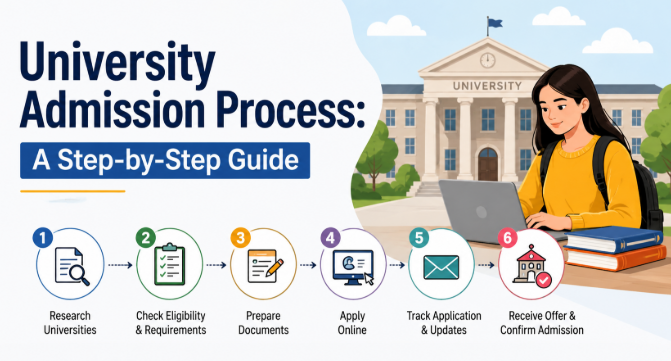
The university admission process encompasses several critical stages, each with specific timelines. Awareness of these dates is vital for prospective students to navigate their applications efficiently. Generally, the admission timeline can be broken down into several phases, starting with the preparation phase, which usually begins one year in advance. This phase includes researching universities, their programs, and understanding the specific admission requirements.
Application deadlines vary significantly among institutions and programs. For many universities, the application season typically opens in the fall. Applicants should be mindful of early action and regular decision deadlines, which can range anywhere from November to January, depending on the institution. For programs with rolling admissions, students may submit their applications at any time until the program reaches capacity.
Standardized test dates also play a crucial role in the admission timeline. Institutions often require tests such as the SAT or ACT, which have set testing dates throughout the year. To align with application deadlines, students should register well in advance for these tests, as scores may take weeks to process. It is advisable to complete standardized testing by late fall, allowing ample time to finalize applications.
Once applications have been submitted, students must await admission decisions. Most universities notify applicants between March and April, allowing time to compare offers and make enrollment decisions. Institutions with specific programs may have different timelines, requiring students to verify relevant dates.
Staying organized is paramount throughout this process. Students should create a calendar marking all critical dates and deadlines to ensure a smooth admission experience. From researching opportunities to submitting applications, a structured timeline aids in managing tasks efficiently, heightening the likelihood of a successful admission outcome.
Choosing the Right University
Choosing the right university is a critical step in the university admission process, as it can significantly shape one’s academic career and future prospects. The decision entails assessing various factors that align with personal or professional aspirations. A primary consideration should be the range of programs offered. Prospective students should investigate universities that excel in their field of interest, as availability and quality of programs can vary significantly between institutions.
Additionally, campus culture is a vital aspect affecting the overall university experience. Different universities have distinct environments, which may cater to specific social preferences or educational philosophies. Engaging with current students through forums or university previews can provide insights into the community and opportunities available, helping to ensure a suitable match.
Location also plays a crucial role; proximity to home, urban versus rural settings, and availability of internships and job opportunities can influence the decision profoundly. Urban universities often provide diverse experiences and career networking chances, while rural institutions may offer a tighter-knit community and specialized programs.
Financial considerations cannot be overlooked when choosing a university. Prospective students should evaluate tuition costs, availability of scholarships, and the potential return on investment of their chosen program. It is essential to calculate overall expenses, including living costs, and to explore financial aid options that the institutions may offer.
Ultimately, narrowing down choices should involve a comprehensive evaluation of these factors. Utilizing campus visits, whether in person or through virtual tours, can provide invaluable insight, allowing students to experience the atmosphere first-hand. Each of these steps is crucial in making an informed decision that aligns personal objectives with educational opportunities.
Preparing Application Materials
The university admission process requires a collection of carefully curated application materials that reflect a candidate’s qualifications, achievements, and aspirations. Key components of the application often include transcripts, recommendation letters, resumes, and personal statements. Each element plays a crucial role in presenting a well-rounded profile to admissions committees.
Transcripts are vital documents that provide insight into a student’s academic performance. They should be obtained from the respective educational institutions and should reflect grades from all years of study. Prospective students are advised to ensure that their transcripts are accurate and sent directly to the universities they are applying to.
Recommendation letters serve as endorsements from teachers, employers, or mentors and are designed to highlight a student’s strengths, character, and potential. It is essential for applicants to choose recommenders who can provide a detailed and positive perspective on their capabilities. Early communication with recommenders can facilitate a smooth writing process, allowing ample time for revisions.
A resume is an important tool for showcasing extracurricular activities, work experiences, and relevant skills. Crafting a concise and comprehensive resume can give admissions officers a glimpse into the applicant’s dedication outside the classroom. Including leadership roles, volunteer work, and significant projects can enhance the overall application.
Lastly, the personal statement is a critical component that allows candidates to convey their motivations, experiences, and future goals in their own words. It should reflect genuine passion and personal reflection, as admissions committees look for authenticity and insight into the applicant’s journey.
In summation, gathering and preparing application materials is a meticulous task. Students should begin early, organize each component methodically, and ensure that they meet all application deadlines. By investing time into this process, candidates can significantly improve their chances of admission and provide a compelling narrative that aligns with the university’s values and expectations.
Standardized Testing Requirements
Standardized testing plays a pivotal role in the university admission process, serving as a metric for assessing student readiness and potential for success in higher education. The most common standardized tests required by universities include the SAT (Scholastic Assessment Test), ACT (American College Testing), and GRE (Graduate Record Examination). Each of these assessments evaluates various academic skills and covers different subject areas, making them crucial for prospective students aiming for admission.
The SAT and ACT are predominantly utilized for undergraduate admissions, measuring skills in mathematics, reading, and writing, while the GRE is primarily required for graduate programs. Performing well on these tests can significantly enhance a student’s application, as universities often use these scores to compare candidates from diverse educational backgrounds. Therefore, it is essential for students to be familiar with the format and requirements of the specific tests they are taking.
Preparation for standardized tests is paramount to achieving a competitive score. Students are encouraged to engage in extensive study routines which might include enrolling in preparatory courses, utilizing practice exams, and adopting effective test-taking strategies. Resources such as online platforms and study guides can be beneficial in this regard. Furthermore, universities are increasingly adopting test-optional policies, allowing applicants to decide whether to submit standardized test scores. This progressive shift provides an alternative pathway for candidates who may not excel in traditional testing environments. Test-optional admissions emphasize a more holistic review process, considering other factors such as high school GPAs, personal statements, and letters of recommendation.
In summary, standardized testing requirements vary across institutions and programs, necessitating thorough research and preparation. By understanding the nuances of these assessments and exploring options such as test-optional admissions, students can navigate the admissions landscape more effectively and find a path that aligns with their academic goals.
Filling Out Applications
The university admission process is a critical step for prospective students, and filling out applications accurately is fundamental to success. Most universities now feature online application systems, which streamline the submission process and facilitate easier tracking of application status. To navigate these platforms effectively, students should start by creating an account on the university’s application portal, ensuring they have a valid email address for communication and updates.
Prior to initiating the application, it is vital to gather all necessary documents. Typical requirements include transcripts, letters of recommendation, standardized test scores, and personal statements. Reviewing the application requirements carefully can prevent common pitfalls related to incomplete submissions or missed deadlines. Each university may have different criteria for the materials that need to accompany the application, so double-checking for specific guidelines will enhance the likelihood of a successful application.
While filling out the application, attention to detail is crucial. Accurate and truthful representation of academic achievements, extracurricular activities, and personal attributes is essential, as discrepancies can result in disqualification. It is advisable to draft personal statements well ahead of the deadline, allowing ample time for revisions and feedback from mentors or peers. Utilize tools such as grammar checkers or online writing aids to enhance clarity and professionalism in your writing.
Finally, once the application is complete, take the time to review it thoroughly before final submission. It can be beneficial to print a copy of your completed application for your records. Also, keep track of all submission confirmations and any follow-up requests from the university to ensure a smooth admission process. Meeting application requirements and avoiding common mistakes can significantly impact a student’s college journey, paving the way for future opportunities.
Writing the Personal Statement or Essay
The personal statement or admissions essay is a crucial component of the university admission process, as it offers applicants an opportunity to present their identities beyond academic transcripts and test scores. When crafting this document, the initial step involves selecting a meaningful topic that reflects genuine personal experiences and insights. It is essential to choose a subject that not only speaks to personal achievements but also showcases growth, resilience, and uniqueness.
Next, effective writing techniques can significantly enhance the quality of the essay. One useful approach is to employ storytelling, where applicants create a narrative arc around their experiences. This method allows readers to engage with the applicant’s journey on an emotional level, fostering a connection that can set an applicant apart. In addition, clarity and coherence are paramount. Structuring the essay with a clear beginning, middle, and end helps maintain the reader’s interest and ensures that the applicant’s message is communicated effectively.
Authenticity is another vital element. Admissions committees value honest and reflective writing that reveals the applicant’s true self. Candidates should avoid embellishing or exaggerating their experiences in an attempt to impress; instead, focusing on real stories and perspectives will resonate more deeply. This transparency not only builds trust with the reader but also facilitates the applicant’s self-discovery and growth.
Self-reflection is also crucial during the writing process. Taking time to contemplate one’s experiences can help in articulating insights and lessons learned, which are fundamental to a compelling personal statement. Applicants may consider seeking feedback from peers or mentors, but they should ensure that the final piece remains a true reflection of their voice and aspirations.
Interviews and Additional Evaluations
The interview process is a significant component of the university admission procedure, as it provides applicants with an opportunity to showcase their personality, interests, and suitability for their chosen field of study. Preparation for an interview should begin well in advance. Candidates should research the university and the specific program they are applying to, understanding the values and culture of the institution. This knowledge allows applicants to articulate why they are a good fit and how their goals align with the university’s mission.
Practicing responses to common interview questions is also crucial. Questions may probe your motivations for attending university, your academic interests, or how you handle challenges. Typical queries might include, “What motivated you to apply to this program?” or “Can you describe a challenge you have faced and how you overcame it?” Practicing with a friend or mentor can help you articulate your thoughts more clearly and develop confidence in your delivery.
During the interview, presenting oneself effectively is essential. Dress appropriately to convey professionalism, and maintain good eye contact to demonstrate engagement. Additionally, be mindful of your body language; it should reflect positivity and enthusiasm. Expressing genuine interest through active listening will also enhance your interaction with the interviewer.
For certain programs, supplemental evaluations such as portfolios, auditions, or presentations may be required. These additional components allow candidates to demonstrate their skills and creativity more practically. For example, aspiring artists should present a well-curated portfolio showcasing their best work, while performers might need to audition before a selection committee. It is important for applicants to prepare these materials meticulously, ensuring they reflect their abilities and passion for the field.
In conclusion, navigating the interview and additional evaluation processes requires diligent preparation and self-awareness. By familiarizing oneself with common interview practices and emphasizing personal strengths through supplemental evaluations, candidates can significantly enhance their chances of securing admission to their desired university.
Financial Aid and Scholarships
Financing college education can be a challenging endeavor for prospective students and their families. Understanding the financial aid opportunities available can significantly alleviate the burden of tuition fees. Financial aid is typically divided into loans, grants, and scholarships. These resources can help students cover the costs of their education, making college more accessible.
To apply for financial aid, students must complete the Free Application for Federal Student Aid (FAFSA). This critical document allows the federal government and colleges to assess a student’s financial need. Submitting the FAFSA enables students to gain access to various funding options, including federal grants and low-interest loans. Many universities also require additional financial forms or their own applications for institutional aid, which can be found on their respective websites.
Scholarships are another form of financial support and are awarded based on various criteria, including academic merit, extracurricular involvement, and community service. Numerous organizations, foundations, and institutions offer scholarships, and students are encouraged to search for opportunities that align with their interests and accomplishments. Sites like Fastweb and Cappex can help students discover suitable scholarship options specific to their backgrounds.
Writing a compelling scholarship essay is a crucial part of the application process. Students should carefully follow prompts and clearly convey their motivations, goals, and reasons for applying. It is important to showcase unique experiences and contributions to make one’s application stand out amongst numerous candidates. Reviewing successful essays from others can provide a comprehensive understanding of what evaluators are looking for.
In conclusion, understanding the various financial aid options, including scholarships and grants, is essential to navigating the university admission process. By researching thoroughly and preparing strong application materials, students can increase their chances of securing vital funding for their education.
Finalizing Your Choice and Preparing for Enrollment
Choosing the right university is a significant and often daunting task for many prospective students. Once you have received offers of admission, it is crucial to evaluate each option based on various factors such as academic programs, campus culture, location, and financial aid packages. Begin by creating a comparison chart that helps you visualize what each institution has to offer. Discussions with current students, alumni, or academic advisors can also provide valuable insights into the strengths and weaknesses of your potential choices.
After thoughtful consideration, once you have made your decision, the next step is to formally accept the offer from your chosen institution. This process may involve paying a deposit and submitting an acceptance form, so make sure to adhere to any deadlines provided. Following acceptance, you should start planning for the logistical aspects of enrollment. A critical component of this preparation includes arranging for housing, whether on-campus accommodations or off-campus living options. Research the available choices and apply as soon as possible, as housing fills up quickly.
Additionally, schedule to attend any orientation programs offered by the university. These sessions are designed to introduce you to campus resources, faculty, and fellow students, which can significantly ease your transition into university life. They often cover important topics such as academic expectations, student services, and extracurricular opportunities available to new students. Don’t forget to register for courses before the deadline, as this can affect your academic journey. Familiarize yourself with the registration system and consider meeting with an academic advisor to create a schedule that aligns with your academic goals. Taking these preparatory steps will help ensure a smooth transition into your university experience.