


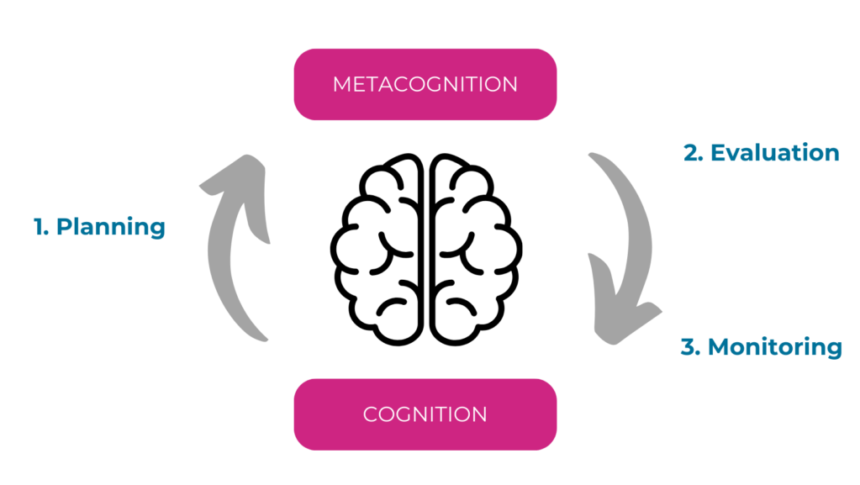
Introduction to Self-Regulated Learning
Self-regulated learning (SRL) refers to the processes by which individuals take control of their own learning experiences. This multifaceted approach encompasses a range of cognitive, emotional, and behavioral activities through which learners set goals, monitor their progress, and reflect on their achievements. The significance of SRL in academic success cannot be overstated; it empowers students to become proactive learners who can effectively navigate the complexities of their educational journeys.
SRL comprises three critical phases: forethought, performance, and self-reflection. In the forethought phase, learners strategize by setting specific, measurable, achievable, relevant, and time-bound (SMART) goals that align with their academic objectives. This phase encourages students to assess their prior knowledge and determine the necessary resources and strategies needed to achieve their goals.
Following forethought, the performance phase involves the actual execution of the learning tasks. During this stage, learners implement the strategies they have planned, while actively engaging with the material. This could include various activities such as note-taking, summarizing key ideas, or collaborating with peers. Effective self-regulation during this phase involves maintaining motivation and concentration, often enhanced by self-monitoring techniques that help students assess their engagement and understanding.
The final stage, self-reflection, invites students to evaluate their learning outcomes against the established goals. This reflective process is vital as it allows individuals to recognize successes and identify areas for improvement. Through this cyclical nature of SRL, students develop greater awareness of their learning processes, leading to enhanced academic performance and greater autonomy in their educational endeavors. Thus, implementing SRL strategies can significantly contribute to achieving academic excellence, fostering lifelong learning skills that extend beyond the classroom.
Key Strategies for Self-Regulated Learning
Self-regulated learning (SRL) is crucial for achieving academic excellence, as it empowers students to take control of their learning processes. Several key strategies can enhance SRL, including goal setting, self-monitoring, and resource management. Each of these strategies plays a significant role in fostering a productive learning environment.
Goal setting is the first step in the self-regulated learning process. By establishing clear, specific, and achievable goals, learners can create a roadmap for their academic journey. For example, a student may set a goal to improve their mathematics grade by practicing problems for one hour daily. This approach not only provides direction but also enhances motivation. Goals should be periodically reviewed and adjusted as necessary to ensure they remain relevant and attainable.
Self-monitoring is another essential strategy for SRL, involving tracking one’s own progress toward achieving set goals. This can be done through various means, such as maintaining a learning journal or utilizing digital tools to log completed tasks. For instance, a student could reflect weekly on their study habits and note areas needing improvement, such as time management or concept understanding. By analyzing their own performance, learners can identify strengths and weaknesses, allowing for timely adjustments to their study strategies.
Resource management involves the effective use of available time and materials to maximize learning outcomes. This includes identifying useful study resources, such as online tutorials, textbooks, and peer study groups, as well as creating a conducive learning environment. A student might schedule study blocks during their most productive hours or designate a quiet area free from distractions. Such strategic organization of resources fosters a more efficient learning experience.
Implementing these SRL strategies can significantly enhance a student’s academic performance, promoting a sense of ownership over their learning journey and encouraging lifelong educational habits.
The Role of Motivation in Self-Regulated Learning
Motivation plays a critical role in self-regulated learning, acting as a catalyst for students to take charge of their educational journeys. It can be categorized into two primary types: intrinsic and extrinsic motivation. Intrinsic motivation stems from a personal desire to learn, often fueled by curiosity and a passion for the subject matter. In contrast, extrinsic motivation is driven by external factors, such as rewards, recognition, or the pressure to achieve academic success. Both types of motivation significantly influence a student’s ability to regulate their learning processes effectively.
Intrinsic motivation is crucial in promoting a deep engagement with the material, as students tend to find greater satisfaction in their learning experience when they pursue knowledge for its own sake. This type of motivation can be nurtured by fostering a supportive learning environment, encouraging autonomy, and providing opportunities for self-directed learning. On the other hand, extrinsic motivators can also play a beneficial role when utilized strategically. For instance, setting achievable goals can enhance motivation and provide a clear pathway for students to follow, helping them to stay focused and committed to their learning objectives.
To enhance motivation, it is important to implement positive reinforcement. Celebrating small victories, such as completing an assignment or mastering a difficult concept, can significantly boost a student’s enthusiasm and willingness to engage in further self-regulated learning. Additionally, adopting a growth mindset—where students see challenges as opportunities for improvement rather than obstacles—can further enhance their motivational levels.
Understanding the integral role motivation plays in self-regulated learning allows educators and students alike to create strategies that foster both intrinsic and extrinsic motivation, ultimately leading to improved academic performance and lifelong learning skills.
Developing Time Management Skills
Time management is a crucial self-regulation strategy that can significantly enhance academic performance. The ability to efficiently allocate time to various tasks allows students to focus on their studies, reduce stress, and improve productivity. Effective time management helps students to balance their academic responsibilities with personal commitments, fostering a more organized and disciplined approach to learning.
One effective technique for improving time management skills is prioritization. By categorizing tasks based on their importance and deadlines, students can focus their energy on what matters most. This can be achieved by creating a “to-do” list, where tasks are ranked from highest to lowest priority. As students complete each task, the sense of accomplishment can motivate them and keep procrastination at bay, ultimately leading to a more efficient study process.
Another beneficial method is the Pomodoro Technique. This technique involves studying in short, focused bursts (typically 25 minutes), followed by a brief break. By using this approach, students can maintain concentration and prevent burnout. The cyclical structure encourages a balance between work and rest, which can enhance overall retention of information and effectiveness in studying.
Creating a study schedule is also an essential tool for effective time management. A well-structured study schedule outlines specific times dedicated to studying different subjects or topics throughout the week. By visually mapping out their time, students can ensure that they allocate sufficient time to each subject, thereby avoiding last-minute cramming and promoting deeper learning. Consistency in following the schedule reinforces positive habits and enhances self-regulation.
Overall, mastering time management skills not only leads to improved academic performance but also instills lifelong skills that are vital in various aspects of life, including future professional endeavors.
Using Technology to Enhance Self-Regulated Learning
In the contemporary educational landscape, technology plays a crucial role in supporting self-regulated learning strategies. Various digital tools and resources have emerged, aimed specifically at helping students take control of their learning processes. One significant category of technological support includes mobile applications designed for goal tracking and time management. Such applications allow learners to set specific, measurable, attainable, relevant, and time-bound (SMART) goals, thereby facilitating a structured approach to studying.
Goal-tracking apps like GoalsOnTrack and Strides enable users to visualize their academic objectives and monitor their progress over time. These tools encourage students to maintain their focus and motivation, as they receive notifications and reminders related to their set tasks. Furthermore, features that allow for reflection on completed tasks contribute to developing metacognitive skills, essential for self-regulated learning.
Online learning platforms, such as Coursera and Khan Academy, provide another layer of technological enhancement for self-regulated learners. These platforms offer tailored study paths, allowing students to select courses that align with their individual interests and academic goals. This level of personalization fosters greater engagement and a sense of ownership in the learning process. Moreover, many of these platforms include interactive elements such as quizzes and community discussions, which facilitate deeper understanding and the application of knowledge.
Additionally, tools like Google Calendar and Trello can significantly aid in time management, ensuring that students allocate sufficient time for studying and completing assignments. By integrating these technologies into their study routines, learners can better organize their schedules and prioritize tasks effectively, resulting in improved academic performance.
Ultimately, when utilized thoughtfully, technology can be a formidable ally in enhancing self-regulated learning. By leveraging various apps and platforms, students can cultivate a more effective and proactive approach to their education, leading to greater academic success.
The Importance of Self-Reflection in Learning
Self-reflection is a critical component of self-regulated learning (SRL) that significantly influences academic achievement. It involves the process of introspection where learners assess their understanding, skills, and overall progress toward their educational goals. By engaging in self-reflection, students can identify their strengths and weaknesses, thereby creating a personalized learning pathway that caters to their unique needs and preferences.
Incorporating self-reflection into study routines can be done in various ways. One effective method is to maintain a learning journal, where students document their thoughts after each study session. This practice encourages them to articulate what they learned, how they approached different tasks, and what strategies proved effective or ineffective during their studies. Additionally, setting aside time for periodic reviews, such as weekly or monthly reflections, can help learners critically evaluate their progress and make necessary adjustments to their learning strategies.
Moreover, self-reflective practices can foster a growth mindset among students, encouraging them to view challenges as opportunities for improvement rather than obstacles. This shift in perspective is vital in promoting resilience and sustained motivation, particularly in demanding academic environments. Students should consider asking themselves probing questions such as “What concepts do I find most challenging?”, “What strategies helped me succeed in this subject?”, and “How can I apply what I have learned to future tasks?” These questions can guide their reflections and help reinforce their learning experiences.
Ultimately, self-reflection acts as a powerful tool in the SRL process, enabling students to take ownership of their education. By regularly engaging in self-assessment, learners not only enhance their comprehension and retention of material but also develop critical thinking and problem-solving skills that are essential for long-term academic success.
Creating a Supportive Learning Environment
A conducive learning environment plays a pivotal role in self-regulated learning, significantly influencing a student’s ability to manage their study processes effectively. An optimal study space is crucial in enhancing focus and motivation. To create such an environment, individuals should ensure that their study area is well-organized, free from distractions, and equipped with all necessary materials. This could include proper lighting, comfortable seating, and access to resources like books and technology. Furthermore, personalizing the study area with motivational quotes or visual aids can promote a more engaging atmosphere.
Seeking social support is another key aspect of establishing a supportive learning environment. Students are encouraged to connect with peers, family, or mentors who understand their academic goals. Engaging in discussions with knowledgeable individuals can offer new perspectives and insights, making the learning process more robust. This support can also provide emotional reinforcement, which is particularly essential during challenging times.
Additionally, building study groups can foster a collaborative culture that enhances self-regulated learning. These groups enable participants to share resources, exchange ideas, and hold each other accountable. A well-structured study group should facilitate a dialogue where all members can express their thoughts and experiences, thus promoting a deeper understanding of the material. Establishing a regular meeting schedule can help maintain momentum and ensure ongoing collaboration. Through peer interaction and collective goal-setting, participants can cultivate a sense of responsibility towards their peers and their own learning.
In summary, creating a supportive learning environment through an optimal study space, positive social connections, and collaborative study groups can significantly enhance self-regulated learning strategies and contribute to academic excellence.
Challenges to Self-Regulated Learning and How to Overcome Them
Self-regulated learning is an essential component of academic success, yet students often encounter various challenges that hinder their ability to manage their own learning processes. Common obstacles include procrastination, distractions, and a lack of self-discipline. Recognizing these challenges is the first step towards implementing effective strategies to overcome them.
Procrastination can significantly impact a student’s performance. It often stems from feelings of overwhelm or fear of failure, leading them to postpone tasks. To combat procrastination, it is vital for students to break their assignments into manageable parts and set clear, achievable goals. Utilizing tools like to-do lists or digital planners can aid in organizing tasks and providing a visual representation of progress, thereby reducing the temptation to delay work.
Distractions are another barrier to effective self-regulated learning. With the proliferation of technology and social media, staying focused on academic tasks can be challenging. Students can enhance their concentration by creating a designated study environment that is free from interruptions. Techniques such as the Pomodoro Technique, where students work for a set period followed by short breaks, can help maintain focus and productivity while minimizing distractions.
A lack of self-discipline can also undermine students’ efforts at self-regulated learning. Cultivating a strong sense of self-discipline involves setting clear study routines and adhering to them. Students might benefit from establishing specific times for study and leisure, reinforcing the importance of prioritizing their academic responsibilities. Additionally, practicing self-reflection can help students recognize their habits and adjust their strategies accordingly, fostering an adaptive approach to learning.
By addressing these challenges directly and implementing targeted strategies, students can enhance their self-regulated learning practices. This, in turn, allows for greater academic achievement and personal growth, creating a pathway toward academic excellence.
Conclusion and Future Directions for Self-Regulated Learning
In conclusion, the journey through self-regulated learning (SRL) strategies highlights their pivotal role in achieving academic excellence. As discussed, self-regulated learning empowers students to take control of their educational experiences by fostering skills such as goal setting, self-monitoring, and self-reflection. These skills are instrumental in transforming passive learning into an active endeavor, ultimately leading to improved academic performance and deeper understanding of the subject matter.
Moreover, the implementation of self-regulated learning strategies has long-term benefits that extend beyond immediate academic success. By cultivating a mindset focused on self-improvement and lifelong learning, students are better prepared to face challenges in both their academic and professional lives. This holistic development not only enhances individual capabilities but also contributes positively to the overall educational environment.
Looking ahead, further research into self-regulated learning remains essential. There is a need to explore how different educational contexts—for example, varying cultural backgrounds or learning environments—impact the effectiveness of SRL strategies. Additionally, examining the role of technology in supporting self-regulated learning could open new avenues for enhancing student engagement and motivation. As educators and learners alike continue to adapt to rapid changes in the educational landscape, the pursuit of effective self-regulated learning techniques will undoubtedly play a critical part in shaping future academic success.
In summary, embracing self-regulated learning strategies not only fosters mastery of the academic material but also instills essential life skills, paving the way for sustained excellence in various facets of life. Continued exploration and adaptation of these strategies will be paramount as we seek to equip learners for the complexities of the future.