


Introduction to Personal Development
Personal development is a continuous process of enhancing one’s skills, knowledge, and overall personal growth to achieve long-term success in various aspects of life. It encompasses a broad range of activities that contribute to an individual’s self-improvement, including emotional, mental, and physical well-being. Recognizing the importance of personal development is crucial; it enables individuals to maximize their potential and find fulfillment in both their personal and professional lives.
The journey of personal development begins with self-awareness, allowing individuals to identify their strengths and weaknesses. This understanding is pivotal because it fosters a desire for improvement. By setting clear goals, individuals can perceive a roadmap toward their aspirations, making it easier to track progress over time. Moreover, personal development encourages a proactive approach to challenges, equipping one with the resilience needed to overcome obstacles that may hinder success.
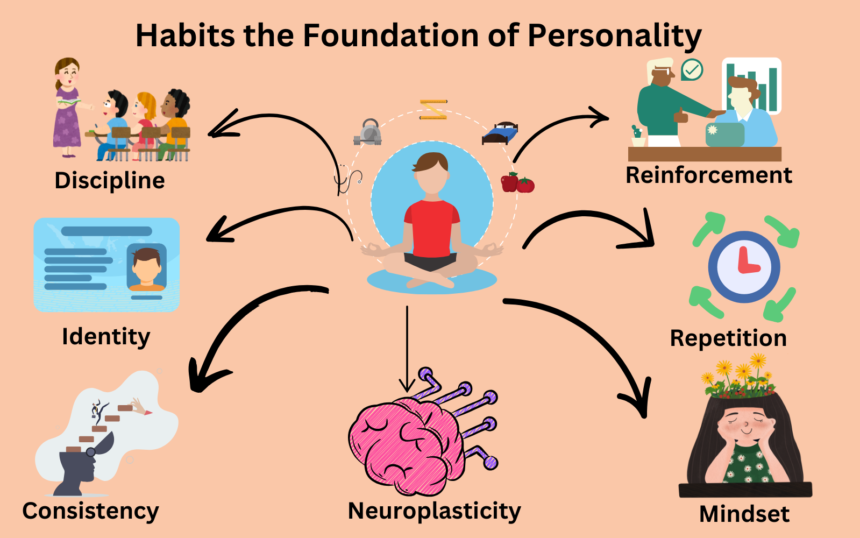
In addition to goal-setting, cultivating good habits is an integral aspect of personal development. Consistently engaging in beneficial practices leads to incremental improvements that compound over time, resulting in significant advancement. For instance, adopting a daily routine that emphasizes time management, continuous learning, and healthy living can profoundly impact one’s life trajectory. Maintaining discipline in these habits nurtures accountability, making it more feasible to achieve desired outcomes.
Ultimately, personal development is not a destination but an ongoing journey that enriches one’s life experience. By dedicating time and effort towards self-improvement, individuals not only promote their success but also enhance their contributions to society. With a commitment to growth, anyone can navigate the complexities of life more effectively, leading to a fulfilling and successful existence.
The Power of Goal Setting
Setting clear and achievable goals is a pivotal habit in personal development, serving as the foundation for long-term success. Goals provide direction, keep individuals focused, and motivate them to take action toward their desires. It is essential to distinguish between short-term and long-term goals. Short-term goals are usually specific and achievable within a short timeframe, often serving as stepping stones towards a more significant objective. Long-term goals, on the other hand, typically span a more extended period and require consistent effort and dedication to reach.
One effective method for establishing goals is the SMART criteria. SMART stands for Specific, Measurable, Achievable, Relevant, and Time-bound. By applying these parameters, individuals can create objectives that are not only clear but also realistic. For instance, instead of setting a vague goal like “I want to get fit,” a SMART goal would be “I will exercise for 30 minutes at least five times a week for the next three months.” This specificity enhances accountability and allows individuals to track their progress more effectively.
Additionally, the psychological benefits of goal setting cannot be overstated. Achieving set goals fosters a sense of accomplishment, which boosts self-esteem and encourages continued efforts. Furthermore, having a clear direction reduces the incidence of procrastination, as individuals become more focused on their objectives. When goals are written down and regularly revisited, they transform from mere aspirations into actionable plans, making it more likely for individuals to realize their ambitions. Overall, embracing the habit of goal setting is crucial for anyone aiming to enhance personal development and achieve lasting success.
The Habit of Lifelong Learning
Lifelong learning is a crucial habit for anyone committed to achieving long-term personal development and success. This ongoing educational process doesn’t merely confine itself to formal settings; it encompasses a variety of approaches including online courses, workshops, seminars, and self-directed study. Lifelong learning is about maintaining an inquisitive mindset and being open to acquiring new skills at any stage in life. It empowers individuals to stay relevant in a rapidly changing job market, where the demand for new skills continues to evolve.
Adapting to change is a fundamental aspect of lifelong learning. The world is constantly advancing, particularly in technology and global interactions, which necessitates individuals to continuously update their competencies. Whether it is through formal education or experiential learning, the ability to embrace new information and adapt accordingly can significantly enhance one’s career prospects. For instance, professionals in any field can harness the power of webinars, podcasts, and online platforms to not only stay informed but also to enhance skill sets that are increasingly sought after in the workplace.
Moreover, the act of acquiring new knowledge fosters personal growth and expands one’s network. Engaging with other learners can introduce individuals to diverse perspectives and experiences, ultimately enriching their understanding of their respective fields. The connections made through lifelong learning can also lead to potential collaborations or new career opportunities. Therefore, committing to this habit should be recognized as a strategic investment in personal and professional development—one that not only enriches one’s life but also lays the groundwork for future achievements.
Mindfulness and Self-Reflection
Mindfulness and self-reflection are two instrumental practices in the journey of personal development. These techniques facilitate an increased awareness of one’s thoughts, emotions, and behaviors, which can significantly enhance self-awareness and emotional intelligence.
Mindfulness, in essence, involves being fully present in the moment and observing one’s thoughts and feelings without judgment. This can be achieved through various methods such as meditation, breathing exercises, or simply engaging in activities with total focus. Meditation, in particular, is a powerful tool that allows individuals to detach from the chaos of daily life and delve into their inner selves. Regular meditation practice can lead to heightened awareness of habitual thought patterns, enabling individuals to recognize and modify negative or unproductive habits.
In addition to meditation, journaling serves as an effective self-reflection technique. By committing thoughts to paper, individuals can articulate feelings and experiences, thus gaining clearer insights into their motivations and actions. This practice encourages a deeper understanding of personal values, priorities, and long-term goals. Engaging in self-reflection through journaling helps clarify thoughts and provides a tangible means to track progress over time.
Moreover, the connection between mindfulness and decision-making cannot be overstated. By fostering a deep awareness of one’s emotions and thought processes, mindfulness can guide individuals in making more informed choices. When faced with important decisions, individuals who practice mindfulness can better evaluate their options and anticipate the emotional outcomes associated with each choice.
In summary, integrating mindfulness and self-reflection into one’s daily routine can profoundly influence personal development. By embracing practices such as meditation and journaling, individuals pave the way for greater self-awareness, emotional intelligence, and ultimately, more meaningful and successful decision-making.
Building Resilience and Overcoming Challenges
Resilience is an essential personal development habit that significantly impacts one’s ability to achieve long-term success. It refers to the capacity to recover quickly from difficulties or setbacks and is a crucial trait for anyone aiming to excel personally and professionally. Building resilience involves developing a positive mindset, which enables individuals to approach challenges as opportunities for growth and learning.
One effective strategy for fostering resilience is to adopt a proactive approach to setbacks. Rather than viewing failure as a negative endpoint, consider it a valuable learning experience. This mindset shift allows individuals to analyze their challenges objectively, identifying key lessons that can inform their future actions. By reframing failure in this way, one not only enhances resilience but also cultivates a growth-oriented outlook that is pivotal for personal development.
Maintaining a positive mindset during adversity requires deliberate practice. Techniques such as mindfulness and positive self-talk can greatly enhance an individual’s ability to stay focused and composed in tough situations. Engaging in reflective practices, such as journaling, can help in processing emotions tied to setbacks and reinforcing a resilient mindset. Furthermore, surrounding oneself with supportive individuals who provide encouragement and constructive feedback is vital for bolstering resilience. This support system acts as a buffer against the stress often associated with challenges.
Importantly, resilience does not mean that one must face difficulties alone; asking for help when needed is a strength, not a weakness. By recognizing that challenges are a natural part of the journey towards success, individuals can better prepare themselves to handle the uncertainties life presents. The ability to bounce back from setbacks ultimately paves the way for continuous personal growth, making resilience a cornerstone of effective personal development.
Establishing a Routine
Establishing a daily routine is a fundamental practice for fostering personal development and long-term success. A well-structured routine plays a vital role in enhancing productivity and creating an environment where personal growth can thrive. By dedicating specific time slots to various activities, individuals can efficiently manage their time, prioritizing tasks that align with their growth objectives.
One of the primary benefits of having a routine is the stability it provides. In today’s fast-paced world, a structured daily plan can serve as a sanctuary from chaos and uncertainty. This stability not only reduces anxiety but also paves the way for focused engagement in various personal development activities. For example, incorporating regular exercise, reading, or mindfulness practices into a daily schedule can lead to incremental improvements over time.
Furthermore, routines facilitate the establishment of productive habits. When activities are performed consistently, they can evolve into automatic behaviors, thereby reducing the conscious effort required to start them. For instance, setting aside dedicated time for learning new skills or engaging in reflective journaling can seamlessly become integral to one’s daily life. This consistent practice of personal development habits encourages sustained progress and reinforces a growth mindset.
Creating a routine that promotes personal growth requires a thoughtful approach. It is essential to reflect on individual goals and determine which habits will contribute most effectively to achieving those goals. By taking the time to customize a routine that meets personal needs, individuals can ensure that their daily practices not only support their aspirations but also foster a fulfilling and balanced life.
The Importance of Networking and Relationships
Networking and building meaningful relationships are critical components of personal development and long-term success. In today’s interconnected world, a robust network can provide numerous opportunities for growth, collaboration, and support. Effective networking entails not just meeting new people but also nurturing those connections to create mutually beneficial relationships. This approach often opens doors to new job opportunities, partnerships, and valuable resources.
One of the key strategies for effective networking is active participation in professional organizations, seminars, and workshops. Engaging in these activities allows individuals to meet others in their field, share knowledge, and stay updated on industry trends. Moreover, it is essential to leverage social media platforms, such as LinkedIn, where professionals can connect, exchange ideas, and showcase their expertise. However, quality is paramount; prioritizing meaningful interactions over a large quantity of contacts can lead to more substantial benefits.
In addition to networking with peers, seeking mentorship plays a pivotal role in personal development. A mentor can provide guidance, share insights from their experiences, and help navigate challenges in one’s career. Such relationships not only enhance skills but also build confidence. For individuals starting their careers or transitioning to new roles, mentors can be invaluable resources for advice and encouragement.
Furthermore, fostering supportive relationships with colleagues and friends contributes significantly to personal growth. Surrounding oneself with positive individuals who inspire and motivate can create an environment conducive to learning and achievement. Engaging in peer support groups or accountability partnerships can also enhance commitment to personal goals. By prioritizing networking and relationship-building, individuals cultivate a strong foundation for sustained success and resilience in their personal and professional lives.
Maintaining a Healthy Lifestyle
Achieving long-term success in personal development requires a multifaceted approach, one of the most vital components being the maintenance of a healthy lifestyle. Physical health is intricately linked to mental well-being, influencing mental clarity, energy levels, and overall productivity. Adopting healthy habits related to diet, exercise, and sleep is essential for optimal performance.
Diet plays a crucial role in supporting cognitive function and emotional stability. A balanced diet rich in fruits, vegetables, lean proteins, and whole grains fuels the body with essential nutrients. Foods high in omega-3 fatty acids, for instance, have been linked to improved brain function and mood stabilization. Conversely, excessive intake of processed foods and sugars can lead to energy crashes and diminished focus, impeding personal development efforts.
Regular exercise is another pillar of maintaining a healthy lifestyle. Engaging in physical activity releases endorphins, substances in the brain that promote feelings of happiness and contentment. Exercise also increases blood flow to the brain, enhancing cognitive abilities and allowing for sharper focus while undertaking developmental tasks. Establishing a consistent workout routine tailored to individual preferences can significantly uplift one’s motivation levels.
Lastly, adequate sleep cannot be overlooked. Quality rest is crucial for cognitive processes, including memory consolidation and emotional regulation. Insufficient sleep can lead to reduced mental clarity and impaired judgment, negatively impacting both personal and professional growth. Establishing a nightly routine that prioritizes 7-9 hours of quality sleep can work wonders for maintaining overall productivity and facilitating personal development.
In essence, a holistic approach to maintaining a healthy lifestyle is paramount for anyone engaged in personal development. By nurturing the body through proper nutrition, exercise, and sleep, individuals can optimize their mental and physical capabilities, thereby enhancing their journey toward long-term success.
Conclusion: Your Unique Personal Development Journey
In reflecting on the habits and practices essential for personal development, it becomes clear that each individual’s journey is distinct and ongoing. Strategies for growth and success are not one-size-fits-all; they vary from person to person based on individual experiences, goals, and aspirations. The significance of identifying and integrating effective personal development habits cannot be overstated when seeking long-term success.
The key points discussed highlight the importance of self-awareness, continuous learning, and goal-setting in the framework of personal development. By setting realistic and achievable long-term success goals, individuals can tailor a path that aligns with their values and ambitions. It is crucial to regularly evaluate these goals and be adaptable, as personal circumstances and priorities often shift over time. This adaptability fosters resilience and enables individuals to remain committed to their personal growth journey.
Furthermore, the incorporation of habits such as mindfulness, self-reflection, and disciplined action can significantly influence one’s trajectory towards success. These practices not only enhance personal effectiveness but also promote a greater sense of overall well-being. Engaging with these habits consistently will lead to sustainable improvements, fostering skills and characteristics that can benefit various aspects of life.
Ultimately, embarking on a personal development journey requires commitment and intention. As you reflect on the habits discussed throughout this blog post, consider where you can begin implementing them into your daily life. Personal development is a unique journey, and every step taken towards improvement is a step towards realizing your fullest potential. Take ownership of your path, and remember that the pursuit of personal growth is both valuable and rewarding.