


Introduction to Cognitive Load Theory
Cognitive Load Theory (CLT) is a theoretical framework established in the 1980s by educational psychologist John Sweller. The theory posits that human cognitive capacity is limited when processing information, particularly in learning environments. Understanding CLT is essential for educators, as it provides insights into how to optimize instructional design to facilitate effective learning. By addressing the different types of cognitive load, educators can enhance the learning experience and improve knowledge retention among students.
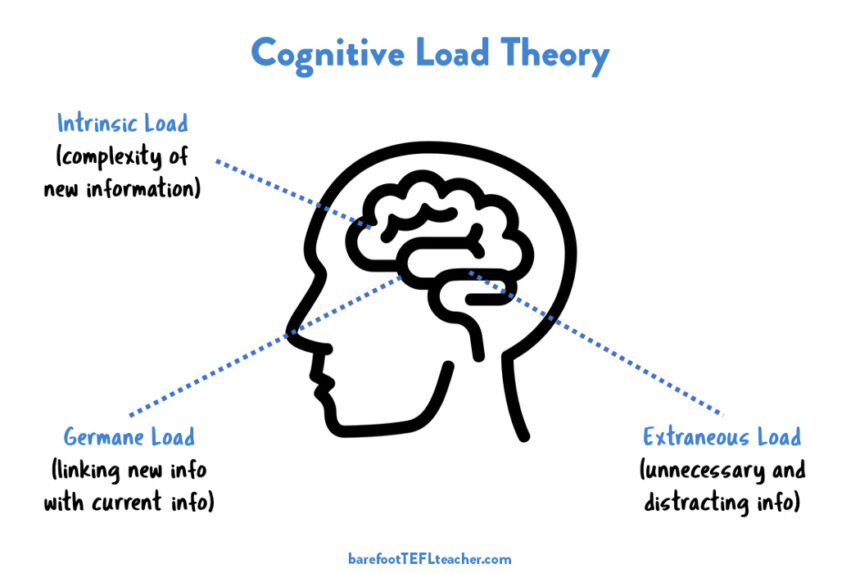
CLT identifies three primary types of cognitive load: intrinsic, extraneous, and germane. Intrinsic cognitive load refers to the complexity of the material itself and is influenced by the learner’s prior knowledge and expertise. For instance, a novice learning a new concept will experience more intrinsic load than an expert who has already mastered the material. Extraneous cognitive load is associated with the way information is presented to learners, which can hinder or facilitate understanding based on instructional design. This type of load includes any distractions or unnecessary information that does not contribute to learning objectives. Finally, germane cognitive load refers to the mental effort invested in processing and understanding the material. This load is directly related to the development of schema and the meaningful integration of new information, which ultimately leads to deeper learning.
Understanding these types of cognitive load is crucial in the educational context, as they directly influence how learners process information and acquire new knowledge. A well-structured learning environment carefully considers the balance of intrinsic and extraneous loads while promoting germane load to enhance student outcomes. Implementing strategies to manage cognitive load can reduce feelings of overwhelm among learners and foster a more productive learning atmosphere, thereby emphasizing the importance of CLT in instructional practices.
Understanding Structured Learning Environments
Structured learning environments (SLEs) are educational frameworks designed to facilitate organized and systematic instruction. These environments are characterized by clear objectives, detailed curricula, and systematic assessments, which distinguish them from their unstructured counterparts. Rather than promoting autonomous exploration, SLEs provide a concrete roadmap for learners, ensuring that they engage with content in a directed manner.
One of the primary characteristics of structured learning environments is the presence of predetermined goals and outcomes. In SLEs, educators outline specific learning objectives, allowing students to understand what they are expected to achieve by the end of their learning experience. This structured approach enhances focus and facilitates progress monitoring, making it easier for both instructors and students to measure performance.
Additionally, structured environments often employ a variety of formats to deliver content. Common implementations of SLEs include traditional classroom settings, which rely on face-to-face interactions and direct instruction; online courses, which utilize digital platforms for asynchronous or synchronous learning; and training modules, often used in corporate environments to upskill employees. Each of these formats follows a structured plan that guides learners sequentially through the material.
In contrast, unstructured learning environments allow learners greater freedom to explore topics at their own pace, often lacking formal guidance or predefined outcomes. While this can foster creativity and independence, it may also lead to cognitive overload for some learners, as they navigate through information without clear direction.
The application of structured learning environments plays a crucial role in facilitating effective learning experiences, as they provide necessary scaffolding for individuals to engage with complex material. By understanding the characteristics and various formats of SLEs, one can better appreciate how they contribute to educational effectiveness and learner success.
The Importance of Managing Cognitive Load in Education
The concept of cognitive load is pivotal in the realm of education, profoundly influencing how learners process information. Cognitive load refers to the amount of mental effort being used in the working memory. In structured learning environments, recognizing and managing cognitive load is essential to optimize learning outcomes. An excessive cognitive load can lead to information overload, hindering students’ ability to comprehend and retain crucial information. This deterioration in learning performance is a significant concern for educators and instructional designers alike.
When students face an overwhelming amount of information or complex tasks that exceed their cognitive resources, their ability to effectively engage and learn diminishes. This phenomenon can manifest as confusion, frustration, or disengagement. In contrast, a well-managed cognitive load facilitates effective learning, enabling learners to focus their mental resources on mastering new concepts. By structuring educational experiences to stay within the optimal cognitive load range, educators can promote better understanding and retention of knowledge.
Effective strategies for managing cognitive load include breaking down complex information into smaller, more manageable chunks and utilizing multimodal instruction to appeal to various learning styles. For instance, combining visual aids with verbal explanations can help distribute the cognitive burden and support deeper comprehension. Moreover, guiding learners through scaffolded tasks allows them to build on their existing knowledge without feeling overwhelmed. By aligning instructional strategies with cognitive load principles, educators can create learning environments that support the intricate process of understanding.
Ultimately, managing cognitive load is not just a pedagogical choice; it is a fundamental aspect of effective education that directly impacts student engagement and academic success. Cultivating an awareness of cognitive load enhances the teaching and learning process, helping students not only to learn efficiently but also to develop a mastery of complex concepts that will benefit them in their academic endeavors and beyond.
Principles of Applying Cognitive Load Theory in Structured Learning
Cognitive Load Theory (CLT) provides valuable insights for designing structured learning environments, promoting effective information retention and overall academic success. One fundamental principle of CLT is the concept of chunking, which involves breaking down complex information into manageable units or “chunks.” By presenting learning material in smaller segments, educators can enhance learners’ cognitive capacity, enabling them to grasp and retain larger amounts of information over time. For instance, rather than introducing a complex mathematical formula in its entirety, it is more effective to divide the formula into understandable components, allowing students to master each part before integrating them into a whole.
Another important principle is dual coding, which suggests that learners can process information more effectively when it is presented through multiple channels, such as visual and auditory means. Utilizing illustrations, diagrams, or videos alongside verbal explanations can reinforce learning and improve comprehension. For example, a lecture on human anatomy can be supplemented with labeled diagrams or animations that demonstrate the functioning of organs. This multimodal approach helps learners create stronger mental models, accommodating diverse learning preferences and enhancing engagement.
Furthermore, minimizing extraneous cognitive load is crucial in structured learning. This involves reducing distractions and irrelevant information that can hinder the learning process. Educators should ensure that all content presented aligns directly with the learning objectives, providing only the most pertinent details necessary for understanding the subject matter. Streamlining instructional materials, eliminating jargon, and focusing on clarity can significantly reduce cognitive overload, allowing students to allocate their cognitive resources more effectively.
By implementing these principles of chunking, dual coding, and minimizing extraneous load, educators can foster structured learning environments that enhance the efficiency and effectiveness of the learning process, ultimately leading to improved educational outcomes.
Strategies for Reducing Extraneous Cognitive Load
To enhance the learning experience and facilitate knowledge retention, it is vital to employ effective strategies aimed at minimizing extraneous cognitive load. Extraneous cognitive load refers to the unnecessary processing demands that distract learners from essential information. By streamlining the learning environment, educators can significantly improve students’ ability to engage with the material.
One primary strategy is the simplification of instructions. Clear and concise directions help prevent confusion and reduce the cognitive resources required for learners to understand tasks. Utilizing bullet points, numbering steps, and incorporating visuals can greatly aid in making instructions more digestible. This approach allows learners to focus on the content instead of deciphering complex wording.
Improving multimedia design is another key technique. When integrating visuals such as videos, diagrams, or infographics, it is essential to ensure they complement the text rather than overwhelm the learner. For instance, using consistent colors and fonts can create a cohesive appearance, while avoiding unnecessary animations can enhance usability. Research suggests that well-designed multimedia can aid in comprehension, thereby reducing cognitive load.
Utilizing scaffolding is also an effective way to lower extraneous load. This involves providing structured support to learners as they navigate new concepts. For example, breaking down complex information into smaller, more manageable chunks allows learners to build understanding gradually. As they gain confidence, the scaffolding can be gradually removed, enabling learners to tackle more challenging tasks independently.
Ultimately, implementing these strategies not only lessens extraneous cognitive load but also fosters a more productive learning environment. By focusing on clear communication, thoughtful multimedia integration, and supportive frameworks, educators can better facilitate meaningful learning experiences that empower students to succeed.
Enhancing Germane Load for Deeper Learning
In the context of Cognitive Load Theory, germane load refers to the cognitive resources dedicated to generating schemas, which are essential for deep learning and the retention of information in long-term memory. To enhance germane cognitive load, educators can implement a variety of techniques that foster active engagement and meaningful manipulation of learning materials.
One effective strategy is to encourage active learning within structured environments. This involves students participating in the learning process actively rather than passively receiving information. Techniques such as problem-solving activities, case studies, and group discussions allow learners to engage with the content on a deeper level, thereby fostering greater retention and understanding.
Moreover, collaborative tasks can significantly boost germane load. When students work together, they can share diverse perspectives and approaches to problem-solving, enhancing their individual understanding of the subject matter. Collaborative learning can take various forms, including peer teaching where students explain concepts to one another, and group projects that require collective analysis and synthesis of information.
In addition to these techniques, incorporating metacognitive strategies into structured learning environments is vital. Metacognition involves learners becoming aware of their thought processes and understanding how to regulate their own learning. Techniques such as self-assessment, reflection on learning methods, and goal setting can guide students to monitor their understanding and identify areas for improvement. By developing metacognitive skills, students can optimize their germane cognitive load, leading to more effective schema construction.
By implementing these strategies, educators can create a rich learning atmosphere that not only supports the enhancement of germane load but also cultivates deeper comprehension and retention of knowledge in students, ultimately leading to more profound learning experiences.
Case Studies: Successful Applications of Cognitive Load Theory
The application of Cognitive Load Theory (CLT) in structured learning environments has yielded significant results across various educational settings. One notable case study takes place in a university engineering program. Faculty members introduced a modular instructional design that segmented complex information into manageable parts, aligning with the principles of CLT. By presenting information in smaller, coherent units, students reported increased comprehension and retention of the material. Notably, this restructuring of the curriculum led to higher student performance in exams and a decrease in dropout rates, showcasing the benefits of applying cognitive load principles.
Another compelling example can be found in the implementation of CLT in K-12 education. In a middle school math class, teachers employed visual aids and interactive simulations to demonstrate mathematical concepts. By minimizing extraneous cognitive load—while maintaining intrinsic and germane load—students exhibited improved problem-solving skills and a greater understanding of abstract concepts. The results were evident in standardized test scores, which showed a marked improvement compared to previous years, indicating that CLT-informed strategies can enhance learning outcomes for younger students.
In the corporate training sector, a company launched a new training program for employees focused on project management skills. Using CLT, the training module adopted a blended learning approach, combining e-learning with face-to-face workshops. Key elements included breaking down content into bite-sized lessons and utilizing scaffolding techniques to gradually increase difficulty. Evaluations following the training indicated that employees felt more confident in applying their skills and, ultimately, experienced a substantial improvement in project performance metrics. Such examples underscore the effective application of cognitive load theory in enhancing structured learning environments.
Challenges and Limitations of Cognitive Load Theory
Cognitive Load Theory (CLT) has garnered significant attention in educational research, but it is not without its criticisms and limitations. One of the primary challenges in applying CLT is the difficulty in accurately measuring cognitive load. Researchers often have to rely on indirect measures, such as performance outcomes or self-reported data, which may not always provide a true representation of a learner’s cognitive effort. This lack of precise measurement can lead to misconceptions about the effectiveness of instructional strategies designed to manage cognitive load.
Moreover, individual differences among learners pose another challenge to the practical application of cognitive load principles. Variations in prior knowledge, motivation, learning styles, and individual cognitive capacities can greatly impact how learners process information. For instance, what may be a manageable cognitive load for one learner could be overwhelming for another. Therefore, while CLT provides a framework for understanding cognitive processes during learning, it may not fully account for the diversity found within a classroom setting.
Additionally, the theoretical underpinnings of CLT have come under scrutiny. Critics argue that the model may oversimplify the complexities of human cognition by focusing predominantly on working memory limitations. They contend that learning is influenced by a broader array of factors, including emotional engagement and social interactions, which are not adequately addressed by CLT. Consequently, educators who rely solely on cognitive load management strategies may overlook critical aspects of the learning experience.
In conclusion, while Cognitive Load Theory presents valuable insights into the structuring of learning environment, educators should remain cognizant of its limitations. By being aware of these challenges, educators can employ a more holistic approach, integrating CLT principles with other educational theories to enhance learning outcomes for all students.
Conclusion and Future Directions in Cognitive Load Theory
Cognitive Load Theory (CLT) has significantly influenced educational practices by providing a nuanced understanding of how individuals learn within structured environments. Throughout this discussion, we have highlighted the importance of recognizing the distinction between intrinsic, extraneous, and germane cognitive loads. Understanding these types of cognitive load facilitates the design of learning materials that optimize students’ understanding and retention of knowledge.
Moreover, the application of CLT suggests various strategies for educators: simplifying materials to minimize extraneous load, designing tasks that align with the learner’s existing knowledge to manage intrinsic load, and fostering the growth of germane load through meaningful, interactive activities. These approaches underline the critical role of pedagogical design in enhancing learning effectiveness.
Looking ahead, future research in cognitive load theory should focus on several key areas. First, there is a need for empirical investigations into how digital learning environments can be optimized in line with CLT principles. With the increasing reliance on technology in education, understanding the cognitive load implications of various digital formats will be essential for effective online instruction.
Additionally, interdisciplinary studies combining cognitive psychology and neuroscience may provide deeper insights into the cognitive processes involved in learning. Such research might explore how different learners respond to cognitive load and how these responses can inform personalized learning experiences.
Furthermore, as education becomes more inclusive, exploring how cognitive load theory can support diverse learning needs and styles will be crucial. Tailoring educational strategies to accommodate a wider range of cognitive capabilities will be vital in promoting equity in learning outcomes.
In conclusion, Cognitive Load Theory offers invaluable insights into structured learning environments, and through continued exploration and application of its principles, educators can improve teaching effectiveness, ultimately enhancing the educational experiences of all learners.