


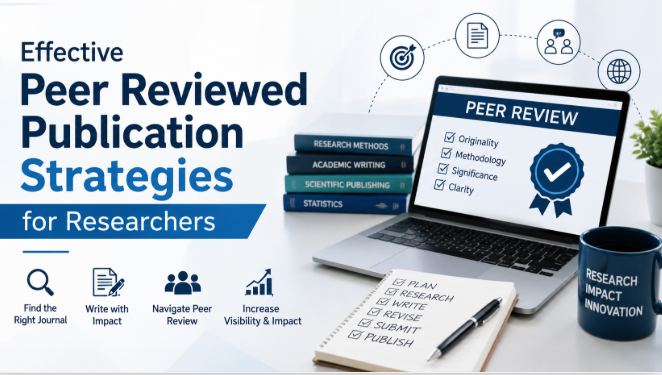
Understanding the Importance of Peer Review
Peer review plays a pivotal role in the landscape of academic research, serving as a vital mechanism for ensuring that published studies meet specific standards of quality and credibility. By subjecting research findings to scrutiny by experts in the same field, the peer review process acts as a filter, elevating the integrity of published work. This procedure not only confirms the validity of research but also fosters transparency, allowing researchers to build on reliable foundational knowledge.
The significance of peer-reviewed publications extends beyond the aspect of accuracy; they contribute substantially to the advancement of academic discourse. When a study is peer-reviewed, it is presented within a framework of critical evaluation that promotes dialogue among scholars. This process cultivates a culture of academic rigor, encouraging researchers to engage with the findings of others, thus propelling innovation and collaboration across disciplines. A peer-reviewed article often becomes a reference point for future studies, helping to shape ongoing conversations within the research community.
Furthermore, peer review is increasingly recognized as a key component in securing funding and career advancement. Many research funding agencies and institutions prioritize support for projects that demonstrate high-quality, peer-reviewed outputs. The ability to publish in peer-reviewed journals not only enhances a researcher’s credibility but also signifies their commitment to uphold academic standards. Consequently, researchers who actively engage in publishing their work through peer-reviewed channels are often better positioned for promotions and new opportunities within their institutions.
In essence, the process of peer review serves to uphold the scholarly integrity and quality of research outputs while fostering a robust academic environment. This makes peer-reviewed publications indispensable for researchers striving to contribute meaningfully to their fields.
Choosing the Right Journal for Submission
Selecting an appropriate journal for your research publication is a crucial step in the peer review process. The right journal not only enhances the visibility of your work but also increases its potential impact within the academic community. Factors such as journal scope, audience, and indexing must be carefully considered to ensure an effective submission.
First, it is important to review the scope of different journals to find one aligned with your research area. Examine the specifics of each journal’s aims and scope, which generally outline the topics and types of research they are keen to publish. Look for journals that emphasize similar research themes; this alignment increases the likelihood that editorial reviewers will find your work relevant and valuable.
Another key consideration is the target audience of the journal. Understanding who reads the journal can help tailor your content to better resonate within that community. For instance, publication in highly specialized journals may reach niche audiences, while top-tier journals often cater to a broader readership. Knowing the audience will inform how best to communicate your research findings effectively.
Impact factor is another consideration that cannot be overlooked. This metric reflects the average number of citations to articles published in that journal, which can influence the perceived value of your research. Journals with higher impact factors may offer greater visibility, but they may also have more stringent acceptance criteria. Always investigate indexing services as well; comprehensive indexing increases the chances of your research being discovered by other scholars.
Finally, open access options are worth exploring, as they dramatically expand the reach of published work. Open access journals allow for immediate accessibility, enhancing the overall dissemination of knowledge. Make sure to analyze the submission guidelines thoroughly for each journal, paying special attention to formatting requirements and deadlines, as adherence to these guidelines is critical for successful submission.
Crafting a Strong Manuscript
Writing a well-structured manuscript is a crucial element in the publication process for researchers. A strong manuscript effectively communicates the research question, methodology, results, and conclusions in a clear and coherent manner. The introduction should not only engage the reader but also provide necessary context and articulate the significance of the study. It is beneficial to ensure the research question is immediately apparent, making it easier for reviewers and readers to understand the purpose of the research.
Following the introduction, the methodology section must detail the techniques and procedures used in the study. Clarity is paramount here, as this enables other researchers to replicate the work. Providing sufficient detail while avoiding unnecessary jargon is important to maintain accessibility. Use precise language to describe the experimental design, data collection methods, and analytical processes, as this will enhance credibility.
The results section should present findings in a straightforward manner, often utilizing tables and figures to summarize data visually. It is crucial to report results objectively, refraining from interpretation, which is reserved for the discussion section. Here, researchers should highlight the implications of their findings, compare them with previous studies, and explore potential limitations. This section should make it clear how the results contribute to the existing body of knowledge.
Adhering to specific formatting guidelines provided by the target journal is imperative for manuscript acceptance. Each journal has distinct requirements regarding structure, referencing style, and overall length. Therefore, it is advisable to carefully review these before submission. Following these guidelines not only demonstrates professionalism but also enhances the manuscript’s chances of being reviewed favorably.
In conclusion, a carefully crafted manuscript that emphasizes clarity, coherence, and adherence to journal guidelines can significantly enhance the likelihood of a successful publication. By focusing on the key components of research presentation, authors can effectively contribute to their field and disseminate their findings.
The Role of Collaboration and Networking
Collaboration plays a crucial role in the realm of research publication, offering numerous advantages that can enhance the overall quality and impact of scholarly work. When researchers collaborate with co-authors, they bring together diverse expertise, perspectives, and methodologies, which can lead to more robust findings and innovative approaches in their studies. This synergy among researchers not only enriches the research design but also elevates the credibility of the publication.
Moreover, engaging in interdisciplinary collaboration encourages the exploration of novel ideas that may not arise within a single discipline. For example, a study that combines insights from both the social sciences and natural sciences can yield a comprehensive understanding of complex issues, thereby attracting a broader audience and increasing the potential for citation and recognition.
Networking is another vital component that complements collaboration in enhancing publication strategies. By actively participating in academic conferences, seminars, and workshops, researchers can establish connections with peers, potential co-authors, and influential figures in their respective fields. These interactions can lead to fruitful collaborations that extend beyond individual projects, resulting in long-term partnerships and joint initiatives.
To build effective collaborations, researchers should focus on identifying partners whose expertise aligns with their own research goals. Open communication is paramount in establishing mutual trust and understanding the strengths each collaborator brings to the table. Additionally, utilizing digital platforms and social media can amplify one’s networking efforts, allowing researchers to showcase their work, join relevant discussions, and connect with other professionals within their domain.
In the competitive landscape of academic publishing, leveraging collaboration and networking can significantly enhance a researcher’s visibility and impact. Incorporating these strategies not only fosters personal growth but also contributes to the advancement of collective knowledge across disciplines.
Navigating the Submission Process
The submission process for peer-reviewed journals is a crucial aspect of academic publishing, requiring careful attention to detail to enhance the likelihood of acceptance. The first step involves ensuring that the manuscript adheres to the specific formatting guidelines provided by the target journal. These guidelines typically outline essential elements such as font type, font size, line spacing, and citation style. It is advisable for researchers to meticulously review these requirements as noncompliance can lead to immediate rejection or requests for resubmission.
Alongside formatting, the cover letter serves as an introduction to the submitted work. This letter should succinctly summarize the research, emphasize its significance, and explain why it fits within the journal’s scope. Additionally, it is the appropriate place to disclose any potential conflicts of interest. Transparency in this regard helps maintain the integrity of the research process and ensures compliance with ethical standards.
Once the manuscript and the cover letter are prepared, the next step involves navigating the submission portals of the chosen journal. Many journals now utilize online submission systems where authors can upload documents, provide necessary metadata, and track the status of their submissions. It is vital for researchers to follow the instructions accurately in these systems, as failure to do so can inadvertently delay the review process.
Moreover, ethical considerations should not be underestimated. Authors are often required to disclose any previous presentations or publications related to their submitted work, as this information provides context for reviewers. Adhering to these ethical guidelines strengthens the overall credibility of the research and fosters trust within the academic community.
Responding to Reviewer Comments
Once a manuscript has been submitted for peer review, the feedback received from reviewers is crucial for its development and potential publication. Responding to reviewer comments is a task that requires a constructive and tailored approach. It is essential for authors to maintain a positive attitude when addressing feedback, recognizing that reviewers are contributing to the enhancement of the research work.
First and foremost, it is important to read the reviewer comments carefully and in a calm manner. Each suggestion or criticism should be considered with an open mind. Authors should categorically acknowledge comments that reflect valid concerns and discuss how these insights can inform revisions. A systematic method for organizing feedback can be beneficial, which typically involves creating a table that lists each comment, followed by the authors’ response, and detailing specific changes made in the revised manuscript.
When replying to reviewer comments, it is critical to communicate revisions clearly and concisely. Authors should directly reference the sections of the manuscript that were modified based on the feedback. This not only demonstrates responsiveness but also aids reviewers in easily locating the relevant changes. The tone of the response should remain respectful and professional, regardless of the nature of the feedback. If an author disagrees with a comment, it is best to explain the reasoning politely, providing supporting evidence where applicable.
Addressing all reviewer comments thoroughly is paramount. Authors should ensure each comment is either resolved through revisions or responded to in a manner that justifies the original approach. This level of thoroughness not only helps to facilitate a smoother re-evaluation process but also illustrates the researchers’ commitment to maintaining high scholarly standards. In conclusion, effectively responding to reviewer comments is a vital step in the publication process, serving to enhance the quality of the manuscript and facilitate its acceptance.
Understanding Publication Ethics and Integrity
Publication ethics and integrity are fundamental elements in the realm of scientific research and publishing. Researchers are expected to adhere to ethical guidelines to ensure that their findings are credible and trustworthy. One major concern in research integrity is plagiarism, which involves the unauthorized use of someone else’s ideas, findings, or language without proper attribution. This practice undermines the foundational values of academic honesty and can severely damage a researcher’s reputation.
Another critical aspect of publication ethics is data fabrication. This refers to the deliberate alteration of data or results to mislead the audience or the scientific community. Such unethical practices can distort the overall scientific discourse, leading to misinformation and harmful consequences, especially in fields where research drives significant public policy or healthcare decisions.
A common area of dispute in academic publication is authorship. Disagreements may arise regarding who qualifies for authorship rights or the order in which contributors are listed. Clear communication and predefined agreements among co-authors about contributions should be established at the project’s onset to prevent conflicts. Additionally, adherence to ethical research practices is essential throughout the research process, extending to how findings are reported and disseminated.
Maintaining integrity throughout the research process is not only a personal ethical obligation for researchers but also a responsibility to the scientific community and society at large. Researchers must actively foster a culture of ethical behavior by promoting transparency, sharing data responsibly, and engaging in peer review processes that are fair and unbiased. Upholding publication ethics is vital for the advancement of knowledge and the success of scientific inquiry worldwide.
Maximizing the Impact of Your Research
Once your research is published in a peer-reviewed journal, the next crucial step is to maximize its reach and impact. Effective promotion is essential for ensuring that your findings contribute to the broader academic discourse and are recognized within your field. One of the most effective strategies is leveraging social media platforms. These platforms can provide a versatile arena for sharing your work, engaging with fellow researchers, and attracting interest from diverse audiences. Crafting concise, impactful posts that highlight the significance of your research can significantly increase visibility, encouraging shares and discussions.
In addition to social media, utilizing academic networking sites such as ResearchGate, Academia.edu, or Google Scholar can enhance the dissemination of your work. Creating an engaging profile that showcases your publications and research interests allows peers to find and interact with your work more easily. Consider uploading preprints or related materials to these platforms to encourage early conversations about your findings.
Participating in professional conferences is another vital strategy for amplifying your research impact. Presenting your work at conferences not only aids in networking but also opens opportunities for fruitful discussions and collaborations. Engaging with attendees can lead to new citation opportunities and enhance the likelihood of your research being cited in future studies. Furthermore, consistent engagement with the academic community post-publication is important. Regularly interacting with colleagues, seeking feedback, and revisiting your own works can foster a lasting influence within your research sphere.
Lastly, adopting good citation practices can significantly enhance your work’s visibility. Referencing other relevant studies appropriately and encouraging peers to cite your work can create a ripple effect, increasing its academic footprint. By employing these strategies—leveraging social media, engaging on academic platforms, participating in conferences, and fostering academic relationships—you can effectively maximize the impact of your published research.
Continuous Learning and Adaptation in Publishing Trends
In the rapidly changing landscape of academic publishing, the necessity for continuous learning and adaptation has never been more pronounced. Researchers must remain aware of evolving trends that shape their ability to publish effectively. Key among these trends are new models of publication, advancements in open access, and shifts in peer review processes.
Open access publishing has gained significant momentum and has transformed how research is disseminated. Traditionally, barriers such as subscription fees restricted access to academic knowledge. However, open access initiatives promote wider dissemination, thereby increasing the visibility and impact of research. Researchers are encouraged to familiarize themselves with the various open access models, including gold, green, and diamond open access, ensuring they understand how these options can align with their publishing goals.
Moreover, the peer review process is also undergoing notable changes. With significant discourse around the traditional single-anonymous review approach, alternative methods such as double-blind and open peer review are becoming more prevalent. Understanding these varying processes is crucial for researchers as they navigate submission guidelines and prepare their manuscripts for acceptance.
Ongoing education is paramount for researchers aiming to keep pace with these developments. Engaging with professional organizations, attending conferences, and participating in workshops are effective methods to stay informed. Furthermore, subscribing to relevant journals and following key publications in the field can provide insights into the latest research trends and publishing practices.
Ultimately, researchers who embrace a culture of continuous learning and remain adaptable to innovation in the academic publishing sphere will enhance their prospects for successful publication. This proactive approach not only fosters personal growth but also contributes to the broader academic community’s evolution, ensuring the integrity and dissemination of research for years to come.