


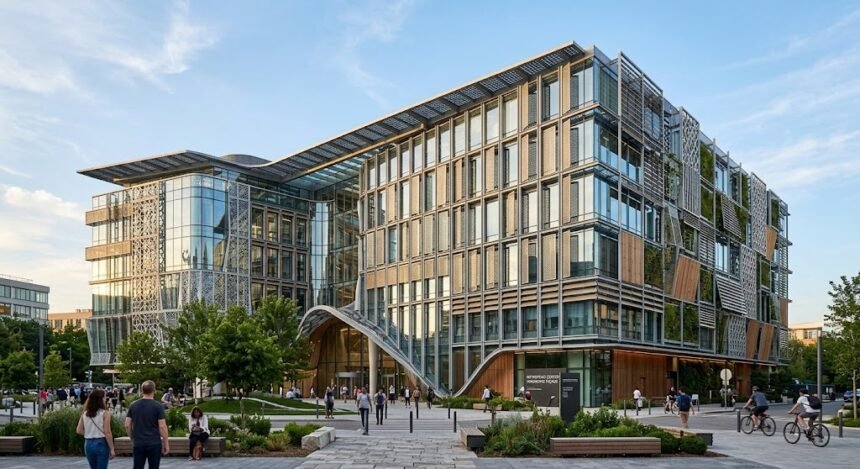
Modern architecture increasingly relies on advanced façade systems, including closed cavity facade (CCF) technology, to balance visual appeal, energy efficiency, occupant comfort, and long-term building performance. From large commercial developments to contemporary residential projects, the building envelope plays a vital role in regulating indoor temperatures, managing daylight, and protecting interiors from external environmental conditions. Innovative solutions developed by a facade specialist can help architects, developers, and engineers achieve these goals while maintaining the design vision of each project.
The Role of Façade Engineering in Modern Construction
Façade engineering involves designing and developing the external envelope of a building to meet structural, thermal, acoustic, and aesthetic requirements. As construction standards evolve, building professionals must consider how façade materials and systems perform under changing weather conditions, solar exposure, and long-term use.
A well-designed façade can reduce unwanted heat gain, improve natural lighting, and support lower energy consumption. Careful material selection and detailed engineering also help address issues such as moisture penetration, air leakage, and thermal bridging. These considerations are particularly important for high-rise buildings and large-scale developments, where even minor performance improvements can have a significant impact.
Understanding Closed Cavity Façade Technology
One innovative approach to building envelope design is the closed cavity facade (CCF). This system typically incorporates an enclosed cavity between glazing layers, creating a controlled environment that can help improve thermal performance and protect integrated shading devices from external weather conditions.
Depending on the project design and system configuration, closed cavity façades can offer several potential advantages:
- Improved energy performance: Carefully engineered glazing and cavity configurations can help manage solar heat gain and reduce heating and cooling demands.
- Protected shading systems: Internal blinds or other shading components can be shielded from dust, wind, and direct exposure to outdoor conditions.
- Enhanced occupant comfort: Optimized daylight and solar control can contribute to more comfortable indoor environments.
- Contemporary architectural aesthetics: Glazed façade systems can support clean, consistent exterior appearances across complex building elevations.
However, the effectiveness of a closed cavity façade depends on factors such as glazing specifications, cavity design, ventilation or pressurization strategy, condensation control, and project-specific climate conditions. Detailed engineering analysis is essential to ensure the system performs as intended.
Integrating Sustainability into Façade Design
Sustainable construction requires more than selecting energy-efficient materials. Building teams must consider the entire life cycle of the façade, including manufacturing impacts, installation, maintenance, operational energy consumption, and eventual replacement or recycling.
Early collaboration between architects, structural engineers, building-services consultants, and façade designers can identify opportunities to improve performance before construction begins. Thermal modelling, solar analysis, and material assessments can help project teams compare design options and make informed decisions.
Working with an experienced facade specialist also helps developers coordinate technical requirements with architectural objectives. This collaboration can be particularly valuable for projects involving complex geometries, high-performance glazing, prefabricated components, or demanding environmental standards.
Planning Façade Solutions for Large-Scale Developments
Successful façade delivery depends on effective coordination throughout the design and construction process. Performance specifications, structural interfaces, fire-safety requirements, weatherproofing details, and installation tolerances must all be addressed early.
For commercial towers, mixed-use developments, and major residential projects, an integrated engineering approach can help reduce design conflicts and improve construction efficiency. By combining technical expertise with careful project planning, building teams can develop façade systems that support durability, energy efficiency, and architectural quality.
As cities continue to pursue more sustainable and visually distinctive buildings, advanced façade engineering will remain an important part of the construction industry. Thoughtful system selection, including the appropriate use of closed cavity façade technology, can help create buildings that perform efficiently while meeting the expectations of architects, developers, and occupants.