


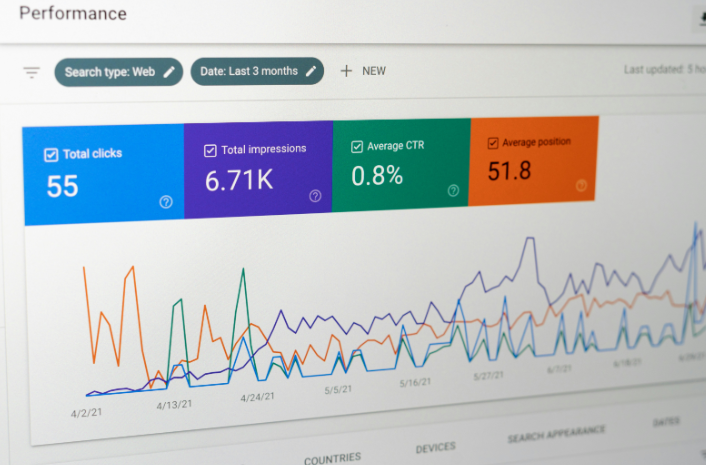
Introduction to Performance Tracking Systems
Performance tracking systems are essential frameworks employed by organizations to measure, analyze, and enhance the effectiveness of their operational activities. These systems are designed to collect data on various performance metrics, enabling organizations to make informed decisions based on quantitative evidence. The primary purpose of performance tracking systems is to facilitate continuous improvement by providing insights into areas that require refinement, thereby aligning daily operations with strategic organizational goals.
The importance of monitoring performance cannot be understated. By systematically evaluating performance metrics, organizations can identify strengths and weaknesses in their processes. This ongoing assessment not only highlights opportunities for improvement but also fosters a culture of accountability within the team. Through the implementation of performance tracking systems, organizations are better equipped to respond to challenges, ensuring adaptations are made proactively instead of reactively.
Furthermore, these systems support the alignment of individual and departmental goals with the overall objectives of the organization. By defining clear performance indicators tied to strategic aims, employees can understand how their contributions impact the greater mission. This alignment encourages employee engagement, as team members are more likely to feel valued when they can see the real-world implications of their performance. In conclusion, performance tracking systems are vital tools that organizations utilize to enhance operational efficiency and support systematic growth. By providing a structured approach to monitoring, analyzing, and improving performance, these systems empower organizations to adapt and thrive in a competitive environment.
Key Components of Performance Tracking Systems
Performance tracking systems are essential for organizations seeking continuous improvement and data-driven decision-making. At the core of these systems are several key components that facilitate effective tracking and analysis. One of the fundamental elements is the establishment of metrics and Key Performance Indicators (KPIs). Metrics provide quantitative data that can be monitored, while KPIs serve as benchmarks to measure how well an organization is achieving its objectives. Selecting the appropriate metrics and KPIs is vital to ensure alignment with overall business goals.
Another critical component involves the methods utilized for data collection. Effective performance tracking systems require consistent and accurate data gathering processes. This may involve automated tools, surveys, or manual logs, depending on the nature of the data and its accessibility. Ensuring the reliability of data collection methods directly impacts the quality of analysis and decision-making.
Reporting tools also play a significant role in performance tracking systems. These tools aggregate data and present it in a meaningful way, enabling stakeholders to visualize performance over time. Effective reporting tools allow users to generate customized reports quickly and identify trends, anomalies, or areas in need of improvement. Furthermore, data visualization techniques, such as dashboards, enhance this reporting capability by offering real-time insights.
User interfaces are equally important in a performance tracking system. A well-designed interface should be intuitive, enabling users to easily navigate through the system and access performance data. Accessibility for all relevant stakeholders ensures that everyone can contribute to the continuous improvement process. Thus, it is essential that the user’s experience is taken into consideration when developing these systems.
Types of Performance Tracking Systems
Performance tracking systems play a critical role in monitoring and evaluating activities across various sectors. They can typically be categorized into two main types: manual and automated systems. Manual performance tracking systems require individuals or teams to record and process data by hand, often using spreadsheets or paper-based forms. This approach can be labor-intensive and prone to human error, making it less efficient for organizations with large volumes of data or complex performance metrics.
In contrast, automated performance tracking systems leverage technology to streamline data collection and analysis. These systems utilize specialized software solutions that can gather data in real-time, often through integration with existing business tools. Automated systems not only reduce the risk of errors but also enhance the speed and accuracy of performance measurement. Various software solutions are available in the market, each designed to cater to specific organizational needs. For instance, platforms such as Tableau and Microsoft Power BI enable powerful data visualization and analytics, while tools like Asana and Trello focus on project management and team collaboration.
Furthermore, performance tracking systems can also be tailored to meet the unique requirements of different industries. For example, healthcare organizations might utilize performance tracking systems that monitor patient outcomes and operational efficiency, whereas manufacturers may focus on tracking production metrics and equipment performance. Retail businesses, on the other hand, might implement systems that analyze sales data and customer satisfaction metrics. This industry-specific customization ensures that organizations can accurately measure performance in ways that are most relevant to their operational context, thereby facilitating continuous improvement.
Benefits of Implementing Performance Tracking Systems
Performance tracking systems are becoming increasingly essential in today’s dynamic business environment. Organizations that adopt these systems can reap various advantages that contribute to their overall effectiveness and operational efficiency. Firstly, the implementation of performance tracking allows for enhanced decision-making. By having access to real-time data, managers and decision-makers can analyze performance metrics more accurately, enabling them to make informed choices that drive the organization forward.
Furthermore, these systems promote improved accountability among employees. When staff members are aware that their performance is being monitored, they are more likely to take ownership of their tasks and responsibilities. This heightened sense of accountability fosters a culture of transparency and encourages individuals to strive for excellence in their roles. By tracking performance metrics, organizations can ensure that their workforce remains focused on achieving the set objectives.
Another significant benefit of performance tracking systems is the potential for increased employee engagement. Regular feedback provided through these systems enables employees to understand their strengths and areas needing improvement. When individuals recognize their contributions to the organization’s success, they are more likely to feel valued and motivated. This engagement can lead to higher morale and lower turnover rates, ultimately supporting the organization’s growth.
Lastly, performance tracking systems allow organizations to identify areas for improvement proactively. By analyzing key performance indicators (KPIs) and trends over time, companies can pinpoint specific operational inefficiencies or employee training needs. This proactive approach enables timely interventions and adjustments, which can optimize processes and increase overall productivity.
In summary, the implementation of performance tracking systems provides organizations with numerous benefits, including enhanced decision-making, improved accountability, increased employee engagement, and the ability to identify improvement opportunities effectively.
Challenges in Performance Tracking
Implementing performance tracking systems within organizations can be met with several significant challenges. One major hurdle is the resistance to change that often accompanies the adoption of new technologies. Employees may feel apprehensive about modifying their established workflows, leading to reluctance in engaging with new tracking systems. This resistance can stem from fear of increased scrutiny or uncertainty regarding how new systems will impact their roles and responsibilities.
Another critical challenge pertains to data quality issues. For performance tracking systems to be effective, they rely on accurate, timely data. However, organizations may struggle with inconsistent data collection practices or inadequate data management frameworks. Poor data quality can result from various factors, including lack of training for employees on data entry, outdated systems that do not capture relevant metrics, or simply a lack of commitment to data integrity. When the foundation of data is flawed, the insights generated by performance tracking systems may be unreliable, leading to misguided decision-making.
Additionally, integrating new performance tracking systems with existing processes presents its own complexities. Organizations often operate on legacy systems that may not be compatible with modern tracking technologies. This incompatibility can lead to disruptions in workflows and may require significant investment in time and resources to achieve successful integration. Furthermore, the process can strain IT departments who must balance maintenance of old systems while implementing new solutions.
Overall, while performance tracking systems are invaluable for continuous improvement, organizations must proactively address these challenges to maximize the benefits of their implementation.
Best Practices for Effective Performance Tracking
To establish an effective performance tracking system, organizations must focus on several best practices that foster an environment of accountability and continuous improvement. One fundamental aspect is the setting of realistic Key Performance Indicators (KPIs). These indicators should be specific, measurable, achievable, relevant, and time-bound (SMART). By creating KPIs that resonate with the organization’s goals, teams are better equipped to understand what is expected and how performance can be effectively measured.
Frequent reviews of performance metrics are also essential. Rather than relying on annual or quarterly assessments, organizations should conduct regular check-ins to evaluate progress towards the established KPIs. This approach not only keeps the team engaged but also enables timely adjustments to strategies as needed. Monthly or bi-weekly meetings to discuss performance data can facilitate open communication and foster a better understanding of challenges and victories.
Moreover, fostering a culture of continuous feedback is crucial for any performance tracking system. Employees should feel encouraged to provide and receive constructive feedback regularly. Implementing 360-degree feedback processes can provide valuable insights from multiple perspectives, allowing for a holistic view of performance. Additionally, leveraging technology, such as performance management software, can streamline this feedback process and make it easier for employees to track their own progress.
Training and development should be woven into the performance tracking fabric as well. Offering resources and support to improve skills relevant to the KPIs can lead to enhanced performance. This comprehensive approach ensures that performance tracking systems are not only about measurement but also about growth and development for all employees involved.
Case Studies: Successful Implementation of Performance Tracking Systems
Performance tracking systems have become a vital tool for organizations aiming to enhance their operational efficiency and improve overall productivity. This section explores several case studies that illustrate successful implementations of these systems across diverse sectors, highlighting key outcomes and the insights gained through these experiences.
One notable example is XYZ Corporation, a manufacturing company that integrated a performance tracking system focused on production metrics. By utilizing real-time data analytics, XYZ was able to identify bottlenecks in its production line, resulting in a 25% increase in efficiency within the first year of implementation. The use of dashboards allowed management to quickly visualize data trends, enabling informed decision-making and a proactive approach to operational challenges.
Another compelling case comes from ABC Services, a service-oriented organization that adopted a performance tracking system to evaluate employee productivity and customer satisfaction. Through a combination of performance indicators, including service response times and customer feedback scores, ABC was able to streamline processes and enhance service delivery. This approach yielded a 40% reduction in customer complaints and significantly improved client retention rates. The insights gained underscored the importance of aligning performance metrics with organizational goals.
In the healthcare sector, Health Innovations implemented a performance tracking system to monitor patient care outcomes. By focusing on metrics such as treatment response times and patient recovery rates, they achieved significant improvements in patient satisfaction scores. Implementation of this system facilitated better communication among healthcare teams, promoting a culture of transparency and continuous improvement.
These case studies collectively demonstrate the transformative impact of performance tracking systems across various industries. Not only do they enable organizations to assess their performance, but they also foster a culture of accountability and strategic improvement. The lessons learned from these implementations can serve as valuable guides for organizations considering similar initiatives.
Future Trends in Performance Tracking Systems
The landscape of performance tracking systems is undergoing a significant transformation, driven primarily by advancements in technology and an increasing emphasis on data-driven decision-making. As organizations strive for continuous improvement, the integration of artificial intelligence (AI) and sophisticated data analytics has emerged as a critical trend that is reshaping performance evaluation processes.
AI technologies are revolutionizing the way data is collected, analyzed, and utilized within performance tracking systems. Through machine learning algorithms, businesses can now predict trends, identify anomalies, and provide actionable insights almost in real-time. These capabilities not only enhance the accuracy of performance metrics but also allow businesses to stay agile and responsive to changes in the marketplace. Furthermore, the ability to automate data analysis significantly reduces the time spent on manual reporting, enabling teams to concentrate on more strategic initiatives that contribute to continuous improvement.
In tandem with AI, the role of big data analytics is becoming increasingly prominent. Organizations are leveraging vast amounts of data generated from various sources to create comprehensive performance assessment models. By synthesizing data across different departments and functions, companies can gain a holistic view of their operations, facilitating better alignment of goals and clearer identification of improvement areas. Techniques such as predictive analytics can also help organizations anticipate challenges and adapt strategies ahead of time, thus fostering a culture of proactive improvement.
Moreover, the advent of cloud technologies is making performance tracking systems more accessible and scalable. Cloud-based solutions offer flexibility, allowing companies of all sizes to implement robust performance tracking frameworks without the need for extensive IT infrastructure. This democratization of technology supports a wider implementation of continuous improvement initiatives across various sectors.
As we look towards the future, it is clear that the convergence of AI, data analytics, and cloud technology will continue to drive significant advancements in performance tracking systems. Organizations that embrace these trends are likely to enhance their ability to monitor performance effectively and foster a culture of continuous improvement across their operations.
Conclusion
In the ever-evolving landscape of modern business, performance tracking systems have emerged as vital components for organizational success. As highlighted throughout this blog post, these systems play a crucial role in facilitating continuous improvement by offering a structured approach to measuring and analyzing performance metrics. By systematically tracking employee productivity and operational efficiency, organizations can identify areas for enhancement and implement timely interventions.
Organizations that leverage performance tracking systems benefit from actionable insights that drive accountability and support data-informed decision-making. These tools not only aid in aligning individual and group objectives with broader organizational goals but also foster a culture of performance excellence. Moreover, the integration of real-time data allows for agility in response to changing circumstances, ensuring that organizations remain competitive and relevant.
Furthermore, performance tracking systems contribute to employee engagement by clearly defining expectations and providing constructive feedback. When employees are aware of performance benchmarks and receive regular updates on their progress, it enhances motivation and encourages active participation in the improvement process. Consequently, this holistic approach promotes a culture of continuous development that ultimately leads to enhanced productivity and operational excellence.
In conclusion, the significance of performance tracking systems cannot be overstated. Their integration into organizational processes catalyzes continuous improvement and operational resilience. As businesses endeavor to streamline performance and achieve their strategic objectives, adopting effective tracking systems will be imperative in navigating the complexities of the modern market landscape.