


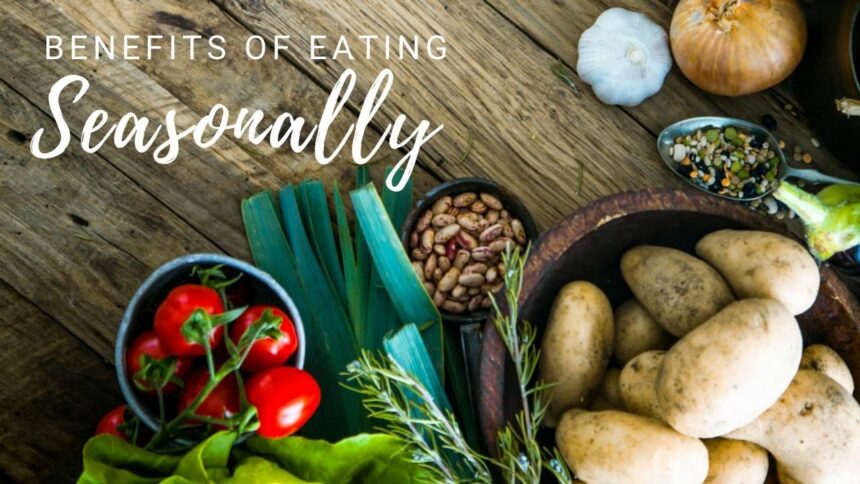
Introduction to Seasonal Produce
Seasonal produce refers to fruits and vegetables that are harvested during their natural growing periods. This practice not only impacts the taste and nutritional value of the foods we consume but also plays a vital role in supporting local economies and promoting environmental sustainability. When we discuss seasonal eating, we often contrast it with non-seasonal produce, which is typically grown in artificially controlled environments or transported from distant regions, resulting in a higher carbon footprint and lower freshness.
Eating seasonal produce means selecting fruits and vegetables that are currently ripe and abundant in a particular locale. This approach encourages individuals to align their diets with the cycles of nature, leading to a diverse and wholesome intake of food. Seasonal produce is typically more flavorful, as it is allowed to fully ripen before being harvested. In addition, fruits and vegetables that are in season often have a higher nutrient content compared to their out-of-season counterparts, which may have been harvested prematurely to endure long transport times.
Moreover, purchasing seasonal produce is beneficial for the local economy. By choosing foods that are grown nearby, consumers are supporting local farmers and reducing reliance on industrial agriculture practices, which can be detrimental to the environment. This, in turn, fosters community growth while contributing to a more robust and resilient food system.
Understanding the distinctions between seasonal and non-seasonal produce is fundamental for anyone looking to improve their dietary habits. As we delve deeper into the advantages that come with eating seasonal fruits and vegetables, it becomes clear that this practice not only enhances individual health but also contributes positively to our planet and local communities.
Nutritional Advantages of Seasonal Produce
Eating seasonal produce is not merely a matter of preference, but it offers significant nutritional advantages that directly impact one’s health. Fruits and vegetables that are harvested at their peak typically contain a higher density of essential vitamins, minerals, and other beneficial nutrients. When soil, climate, and watering conditions align, crops can develop synergistically, producing more flavorful and nutritious options.
One of the primary benefits of consuming in-season produce is the higher vitamin content. For example, vegetables such as kale, spinach, and asparagus, when harvested in spring, are bursting with vitamin C, K, and folate, which are crucial for immune functions and overall cellular health. Conversely, produce that is out of season is often harvested before it fully ripens, leading to a reduction in nutrient availability. This may not only compromise taste but also diminish the health benefits typically associated with fresh fruits and vegetables.
Additionally, seasonal fruits and vegetables are more commonly grown locally, which means they spend less time in transit. Produce that travels long distances often undergoes refrigeration, which can further degrade its nutritional quality. Eating locally sourced seasonal options typically results in fresher produce that retains more nutrients, directly contributing to a healthier diet. Furthermore, by eating seasonally, individuals may find that they incorporate a varied selection of fruits and vegetables into their meals, which can broaden their intake of diverse nutrients necessary for a balanced diet.
In summary, the nutritional benefits of consuming seasonal produce are substantial, providing increased vitamin and mineral content and encouraging healthier eating habits, making it a compelling choice for those looking to enhance their dietary intake.
Flavor and Freshness of Seasonal Foods
One of the most compelling reasons to incorporate seasonal produce into your diet is the remarkable flavor and freshness these foods offer. Fruits and vegetables that are harvested at their peak ripeness possess a taste that is often far superior to their out-of-season counterparts. This is primarily due to the timing of the harvest; seasonal produce is typically picked when it is fully matured, allowing it to develop its unique taste and nutritional profile.
When fruits and vegetables are allowed to ripen naturally, they accumulate sugars, acids, and aromatic compounds, leading to fuller and richer flavors. For instance, a summer tomato harvested at its peak will taste significantly sweeter and juicier compared to one that has been grown out of season and shipped from distant locations. In-season produce usually has less time in transit, meaning it reaches consumers faster, requiring less processing and fewer preservatives. This proximity not only maintains freshness but also enhances taste.
Moreover, the natural growing cycles dictate when various crops are available, contributing to the distinct flavors associated with different seasons. For example, winter squashes and root vegetables develop earthier flavors that complement hearty winter dishes, while spring produce like asparagus and peas tend to have fresher and lighter flavors suited for lighter meals. Accessing products when they are in season helps maximize their natural taste and nutrients.
People who regularly consume seasonal foods often report a heightened appreciation for these vibrant tastes, encouraging more mindful eating habits and cooking practices. By embracing the seasonality of produce, individuals support local farmers and cultivate a deeper connection to their food, all while enjoying the optimal flavors that come with freshness.
Supporting Local Farmers and Economies
Consuming seasonal produce significantly contributes to supporting local farmers and nurturing the surrounding economies. When consumers prioritize fresh, locally sourced fruits and vegetables, they are investing directly into their communities. Farmers’ markets, in particular, serve as vital hubs for the sale of seasonal products, encouraging local residents to buy directly from those who cultivate the land.
By purchasing seasonal produce from local farmers, consumers help stimulate local economies, as money spent on these goods tends to circulate within the community. This supports not only farmers but also local businesses involved in the production and distribution of food. Increased demand for locally sourced food creates jobs and fosters economic stability. Additionally, the diminished reliance on large-scale transportation networks for food distribution reduces transportation costs for producers and ultimately results in savings for consumers.
Furthermore, not only does opting for seasonal produce contribute to less environmental impact due to reduced transportation emissions, but it also enhances the connection between consumers and their food sources. Engaging with local farmers can foster a sense of community and build relationships that might otherwise be absent in conventional grocery shopping experiences.
Moreover, seasonal produce is often fresher and more nutritious than food transported from distant locations. This further encourages healthier eating habits within the community. The emphasis on a local food system not only revitalizes the agricultural sector but also instills a sense of pride among community members, who can clearly witness the fruits of their support through bountiful harvests available at their local markets.
In summary, buying seasonal produce is an easy way for consumers to foster economic development locally, reduce their carbon footprints, and strengthen community ties while enjoying fresh and nutritious food options.
Environmental Impact of Eating Seasonal Produce
Eating seasonal produce offers various environmental benefits that contribute to ecological sustainability. One significant advantage is the reduction in reliance on imported foods. Seasonal fruits and vegetables are typically grown nearby, which minimizes the need for transportation over long distances. This not only supports local economies but also decreases the carbon footprint associated with food miles. When produce is sourced locally, it aligns with more sustainable consumption practices, ultimately fostering healthier ecosystems.
Moreover, championing seasonal produce has the potential to lower greenhouse gas emissions significantly. Foods that are imported often require refrigeration and extensive transportation, both of which contribute to higher emissions. In contrast, seasonal crops are harvested at their peak and do not require the same levels of energy for storage or distribution. By consuming what is in season, consumers are actively diminishing their environmental impact and supporting practices that are less resource-intensive.
Another critical aspect of eating seasonally is its encouragement of sustainable farming practices. Farmers who grow seasonal crops are more inclined to engage in practices that preserve soil health and biodiversity. By rotating different crops according to the seasons, they can maintain a more balanced ecosystem. Additionally, seasonal farming often relies on traditional methods that avoid heavy reliance on chemical fertilizers and pesticides, which can be detrimental to the environment. This approach not only ensures the production of healthier food options but also promotes the well-being of surrounding wildlife.
In summary, embracing seasonal produce plays a pivotal role in fostering environmental sustainability. It curbs the reliance on imported goods, reduces greenhouse gas emissions, and promotes farming practices that honor the planet’s ecological balance. By prioritizing seasonal consumption, individuals can make conscious choices that favor both their health and the health of the environment.
Cost-Effectiveness of Seasonal Eating
Consuming seasonal produce offers notable economic advantages, primarily due to the lower costs associated with the abundance and availability of these fruits and vegetables throughout the year. When produce is in season, there is generally a higher yield from local farms, leading to reduced transportation and storage costs. As a result, it is common to find that seasonal fruits and vegetables are priced more affordably than their out-of-season counterparts, which may require imports or extensive climate-controlled storage solutions.
Furthermore, purchasing seasonal produce aligns well with local agricultural practices, which fosters a direct connection between consumer and farmer. Many farmers’ markets present options for seasonal items that can often be priced lower than those found in supermarkets, benefiting both the local economy and the wallet of the shopper. Additionally, by prioritizing seasonal items, consumers can take advantage of sales and promotions, further maximizing their budget.
To effectively budget based on seasonal availability, it is beneficial to familiarize oneself with seasonal calendars. Understanding when particular produce is in its prime allows consumers to plan meals around available ingredients, potentially leading to cost savings on groceries. For example, including summer squash or tomatoes in weekly meal plans can reduce purchasing expenses, as these are typically abundant during their respective seasons. Moreover, buying in bulk during peak season can be a strategic financial tactic, allowing consumers to store or preserve excess produce at lower costs.
In addition to financial benefits, integrating seasonal produce into one’s diet can enhance both flavor and nutrition. Fresh, in-season items are often harvested at their peak ripeness, delivering superior taste while offering the vitamins and minerals necessary for a healthy lifestyle. Therefore, by choosing to eat seasonally, individuals not only embrace cost-effectiveness but also enjoy the additional benefits that come with high-quality produce.
Creative Ways to Incorporate Seasonal Produce into Your Diet
Incorporating seasonal produce into your diet not only enhances the freshness of your meals but also contributes significantly to a balanced diet. To effectively integrate these ingredients, meal planning is key. Start by researching which fruits and vegetables are in season in your region. This knowledge will help you create a weekly menu that showcases these ingredients, reducing your grocery bill while supporting local farmers.
One simple strategy is to dedicate one day each week to meal prep. This can involve washing, chopping, and storing seasonal fruits and vegetables for easy access throughout the week. Incorporate them into breakfast smoothies, lunches, and dinner recipes. For example, in the fall, include roasted root vegetables like carrots and beets in salads or serve them as side dishes. In the spring, consider using an abundance of asparagus and peas in a light pasta dish or risotto.
Furthermore, experiment with creative cooking methods. Grilling, for instance, can bring out the natural sweetness of summer squash or bell peppers, enhancing their flavors. Try making seasonal vegetable stir-fries, where you can mix various produce together for a colorful and nutritious meal. Soups and stews are perfect for incorporating winter vegetables, allowing for versatile combinations that warm the soul.
Don’t shy away from trying new recipes that put seasonal produce in the spotlight. Websites, cookbooks, and food blogs are great resources for discovering innovative ways to use ingredients that you may be unfamiliar with, such as kohlrabi or radishes during their peak seasons. By being inventive in the kitchen, you can transform your meals, making them not only healthier but also more enjoyable.
Additionally, visiting local farmers’ markets can provide inspiration as you discover unique seasonal offerings. Engaging with the farmers and asking for cooking tips or recipes can lead to a deeper appreciation of the produce and its origins. A commitment to including seasonal ingredients in your diet ultimately fosters creativity, sustainability, and health.
Challenges of Finding Seasonal Produce
Despite the numerous benefits associated with eating seasonal produce, individuals may encounter several challenges that hinder their ability to access these fruits and vegetables consistently. One primary challenge is the issue of availability. Unlike staple foods that are available year-round, seasonal produce often fluctuates in supply based on local growing seasons, making it more difficult for consumers to find a variety of options throughout the year.
Another significant challenge lies in the lack of knowledge regarding what produce is in season at any given time. Many consumers are unaware of the specific fruits and vegetables that are currently at their peak, which can lead to unintentional choices of out-of-season produce. This not only impacts freshness and flavor but also diminishes the opportunity to support local farmers who depend on seasonal sales.
Geographical constraints also present a challenge to those interested in eating seasonally. In regions with harsher climates, the growing season may be considerably shorter, limiting the variety of available produce. Additionally, access to farmers’ markets or local farms can be restricted based on location, transportation means, or economic factors, which may deter consumers from seeking out seasonal options.
Fortunately, there are several practical solutions to these challenges. Consumers can educate themselves by researching seasonal charts specific to their region, which provide a comprehensive list of in-season produce. Also, engaging with local farmers’ markets or community-supported agriculture (CSA) programs can significantly enhance access to fresh seasonal produce while supporting local agriculture. Furthermore, utilizing technology, such as mobile applications designed for seasonal eating, can help individuals track the availability of fruits and vegetables in their area, thus promoting a healthier and more sustainable eating lifestyle.
Conclusion and Call to Action
Eating seasonal produce presents numerous advantages that benefit not only individual health but also enhance the local community and environment. As discussed throughout this blog post, selecting fruits and vegetables in their natural growing seasons typically results in better flavor, higher nutritional value, and reduced environmental impacts. Seasonal foods traverse shorter distances from farm to table, minimizing carbon footprints and supporting local economies.
Moreover, indulging in fruits and vegetables at their peak season fosters a deeper connection with the cycles of nature. It encourages consumers to adapt their menus throughout the year, exploring a variety of tastes and textures that might otherwise be overlooked. This seasonal approach to eating ignites creativity in the kitchen, challenging individuals to prepare meals that highlight the unique characteristics of fresh, local produce.
We encourage readers to make a conscious effort to incorporate seasonal products into their daily diets. Not only will this choice lead to an enhancement in flavor and nutrients, but it also supports local farmers and the sustainability of the agricultural ecosystem. Swap out out-of-season produce for vibrant, fresh options available in your area and experience the joy of tasting fruits and vegetables at their best.
Furthermore, we invite you to share your own experiences and ideas regarding seasonal eating. Whether it’s a favorite recipe or a local market you love to visit, your stories can inspire others to embrace the art of consuming food in sync with the seasons. Join us in this movement towards healthier, more sustainable, and enjoyable eating habits by making a commitment to seasonal produce today.