


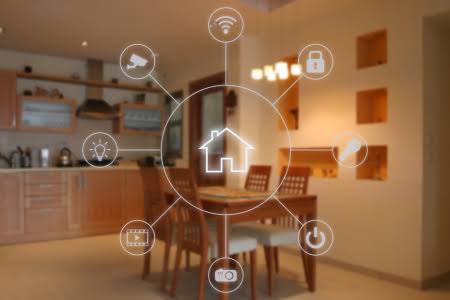
Introduction to Smart Devices
Smart devices are sophisticated electronic gadgets that connect to the internet and can be controlled remotely. They can range from household appliances—such as smart thermostats, security cameras, and refrigerators—to wearable technology like fitness trackers and smartwatches. The defining characteristics of smart devices include their ability to collect data, communicate with other devices, and offer user customization through applications or voice commands. The result is enhanced efficiency, convenience, and ultimately, an improved quality of life.
The concept of smart devices has its roots in the emergence of the Internet of Things (IoT), a system where interconnected devices and systems work collaboratively via the internet. The explosion of wireless networking technology, particularly Wi-Fi and Bluetooth, has provided the necessary infrastructure to support these advancements. Furthermore, the proliferation of smartphones has played a significant role in mainstreaming smart technology, as users can leverage their mobile devices to manage smart devices seamlessly.
Over the past two decades, the evolution of technology has accelerated the development and functionality of smart devices. Originally, many devices were standalone products, but this has shifted to systems that can integrate with one another, creating a more cohesive and interconnected ecosystem in the home. For instance, modern smart home systems enable users to control lighting, climate, and security devices from a single app, amplifying convenience.
As these technologies continue to advance, increased adoption is evident among various demographics. Factors such as energy efficiency, cost savings, and enhanced security contribute to the allure of smart devices. As they become more accessible and user-friendly, smart devices are expected to play an even more significant role in shaping the future of household management and everyday living.
The History of Home Automation
The concept of home automation dates back to the early 20th century, when the first attempts at simplifying household tasks began to emerge. The introduction of electric power enabled the development of various convenient devices, such as electric washing machines and vacuum cleaners, which could significantly reduce the manual effort required in domestic chores. During this period, the notion of automating home functions was limited primarily to increasing efficiency through electrical appliances.
By the 1960s, the idea of creating interconnected home systems began to take shape with the invention of programmable control systems. These systems allowed homeowners to automate specific functions, such as lighting and heating, based on preset schedules. For instance, the first programmable thermostat, a significant advancement, could adjust temperatures automatically, enhancing comfort while contributing to energy conservation.
The generation of smart home technologies truly started to gain traction in the 1990s with the advent of the Internet. The establishment of communication standards enabled devices to connect and communicate over the internet, leading to more sophisticated automation solutions. Moreover, the development of wireless technologies, such as Wi-Fi, facilitated the remote control of household devices from anywhere in the world.
As home automation technology matured into the 21st century, various innovations emerged, including the integration of voice assistant platforms. Systems like Amazon Alexa, Google Assistant, and Apple HomeKit revolutionized user interaction with smart devices, allowing homeowners to control appliances and systems through voice commands seamlessly. This shift not only enhanced usability but also laid the groundwork for the interconnected, smart home environments that are becoming commonplace today.
Throughout its progression, home automation has transformed into a comprehensive field, encompassing a wide array of applications that enhance comfort, convenience, and energy efficiency. The history of home automation reflects the ongoing advancements in technology and the ever-evolving expectations of consumers towards smarter living environments.
Benefits of Smart Devices in Homes
The integration of smart devices within homes has significantly transformed the way households operate, offering a plethora of advantages that enhance daily living. One of the primary benefits is the convenience these technologies provide. Smart devices such as smart speakers, thermostats, and lighting systems can be easily controlled from smartphones or through voice commands, allowing users to manage their home environment effortlessly. For example, a family can adjust their thermostat remotely to ensure a comfortable temperature upon arrival, demonstrating the seamless automation that smart technology promotes.
Moreover, energy efficiency is another crucial benefit offered by smart devices. Smart thermostats learn user behavior and optimize heating and cooling schedules, which can lead to substantial savings on energy bills. According to various studies, families utilizing smart thermostats reported reductions in energy consumption by up to 20%. This capability not only conserves resources but also contributes to a more sustainable living environment.
Enhanced security is yet another significant advantage of integrating smart devices into homes. Devices such as smart cameras, doorbells, and security systems provide real-time monitoring and alerts. Homeowners can keep an eye on their property through mobile apps, receiving alerts about any unusual activities, thus increasing peace of mind. For instance, a family traveling on vacation can remotely monitor their home and deter potential intruders, thanks to the visibility and alerts provided by smart security solutions.
Finally, smart devices can improve the overall quality of life by promoting better health and safety within households. Air quality monitors and health-tracking devices can help families maintain a safe home environment, ensuring they are aware of potential pollutants or other health risks. Collectively, these benefits illustrate that the adoption of smart devices in homes not only addresses convenience but also fosters a more energy-efficient, secure, and healthier lifestyle for families.
Popular Smart Devices in the Market
The current landscape of smart devices showcases a wide array of technologies designed to enhance convenience, security, and energy efficiency in homes. Smart devices can be categorized into several primary groups, each offering unique functionalities that cater to diverse consumer needs.
One of the most prevalent categories is smart speakers. These voice-activated devices, such as the Amazon Echo and Google Nest, serve as central hubs for controlling various connected home devices. They enable users to manage their smart homes through voice commands, play music, set reminders, and access information on demand. The growing popularity of smart speakers has led to the development of additional features like home automation integration and personalization.
Another essential category is smart security systems. Devices such as the Ring doorbell and Arlo cameras provide enhanced surveillance capabilities and peace of mind for homeowners. These systems allow users to monitor their properties remotely through smartphone applications, receive alerts about unusual activity, and even communicate with visitors via two-way audio. The integration of artificial intelligence improves object recognition, further elevating the security aspect of smart homes.
Smart lighting is also gaining traction, with brands like Philips Hue and LIFX offering customizable lighting solutions. These systems enable users to adjust brightness and color schemes according to their preferences, automate lighting schedules, and utilize energy-efficient LED technology. This adds both aesthetic appeal and functionality to living spaces.
Finally, the category of smart appliances continues to expand, featuring devices such as smart refrigerators, washing machines, and thermostats. Brands like LG and Samsung are at the forefront of innovation in this space, providing appliances that can be monitored and controlled remotely, improving energy management, and reducing operational costs.
The Impact of IoT on Daily Living
The Internet of Things (IoT) has significantly reshaped the dimensions of modern life, with smart devices now playing an integral role in our homes. Through IoT technology, devices become interconnected, allowing them to communicate with one another and be controlled remotely. This connectivity facilitates a seamless integration of technology into daily routines, enhancing convenience and efficiency.
Smart devices such as thermostats, security systems, and appliances are capable of collecting data that enables homeowners to make informed decisions. For example, a smart thermostat can analyze energy consumption patterns and adjust heating or cooling accordingly, optimizing energy use and potentially lowering utility bills. Similarly, smart security systems can provide real-time alerts and video feeds, enriching home safety in ways that traditional systems could not manage.
Moreover, IoT creates a feedback loop that fosters continual improvement of device performance. As smart devices gather telemetry data, the insights gained can inform users on optimizing their usage habits, further increasing efficiency. Voice-activated assistants like Amazon Alexa or Google Assistant also exemplify how IoT enhances user interaction by facilitating multitasking through voice commands, allowing users to control various smart devices simultaneously.
The impact of IoT extends beyond just convenience; it encourages sustainable living practices. With real-time energy monitoring, homeowners can adjust their habits to reduce consumption and reliance on non-renewable resources. Therefore, not only does IoT integration streamline daily living, but it also promotes greater environmental stewardship.
Thus, the convergence of smart devices and IoT fundamentally transforms the landscape of everyday living, marking a significant shift towards increased automation, efficiency, and sustainability in our homes.
Security and Privacy Concerns
The proliferation of smart devices and interconnected home systems has introduced a myriad of conveniences to modern living. However, this technology also brings with it significant security and privacy concerns. As homes become increasingly reliant on connected devices, the risks associated with potential unauthorized access and data breaches escalate. Smart devices often collect vast amounts of personal data, making them attractive targets for cybercriminals.
One major concern stems from the inadequate security measures many smart devices employ. Default passwords, lack of encryption, and poor software update protocols can leave these devices vulnerable. As such, unauthorized users may gain access to personal information or even compromise home security systems, putting residents at risk. The notion of a “connected home” can inadvertently lead to a scenario where a single security vulnerability could jeopardize the safety of an entire household.
To mitigate these risks, implementing robust cybersecurity measures is essential. This includes changing default passwords, utilizing strong and unique passwords for each device, and enabling two-factor authentication wherever possible. Regularly monitoring and updating device software can also enhance security, as manufacturers often release patches to address newly discovered vulnerabilities.
Moreover, users should be cautious about the type and amount of personal information shared with smart devices. Choosing devices from reputable manufacturers and understanding their data privacy policies are critical steps in safeguarding personal data. It is also advisable to disable any features that are not in use, such as voice-activated assistants, when privacy is a concern.
In summary, while smart devices offer numerous benefits, they also pose significant security and privacy challenges. By adopting proactive cybersecurity practices and remaining vigilant, individuals can better protect their personal information in the rapidly evolving landscape of connected homes.
Future Trends in Smart Home Technology
The future of smart home technology is poised for significant evolution, driven by advancements in artificial intelligence (AI), machine learning, and the increasing use of voice-activated systems. These innovations are enhancing the functionality of smart devices, making homes not only more connected but also significantly more intuitive and user-friendly.
One of the most notable trends is the integration of AI into home automation systems. With AI, smart devices can learn user preferences over time, allowing for personalization that was previously unattainable. For instance, heating and cooling systems can adapt to a user’s daily schedule, optimizing energy usage without sacrificing comfort. This personalized approach is not only enhancing user experience but also contributing to energy efficiency, which is increasingly critical in today’s environmentally conscious society.
Moreover, machine learning capabilities are enabling smart devices to predict future needs based on past behaviors. This predictive aspect can enhance security systems, where smart cameras can distinguish between family members and intruders, reducing false alarms. The role of machine learning extends to smart kitchen appliances that can suggest recipes based on the ingredients available, thereby adding convenience to everyday tasks.
As voice-activated systems continue to gain traction, their integration with various smart devices is becoming seamless. Users can control lighting, temperature, and appliances using simple voice commands, fostering a more convenient lifestyle. This trend is anticipated to grow further with the development of advanced natural language processing capabilities, allowing for more complex commands and improved interaction between users and devices.
In light of these advancements, the future of smart home technology is promising, with a trend toward more intelligent, user-friendly, and efficient systems that respond dynamically to the needs of homeowners.
Getting Started with Smart Devices
As technology continues to advance, integrating smart devices into our homes has become increasingly accessible and appealing. To begin your journey into the world of connected homes, there are several vital considerations to guide your decision-making process.
First and foremost, establishing a clear budget is essential. While smart devices can improve convenience and efficiency, they can also involve significant expenses. Identify which areas of your home you wish to enhance with smart technology—be it security systems, lighting, or temperature control—and allocate funds accordingly. It’s advisable to start small, perhaps with one or two devices, to assess your comfort with the technology and its integration into your daily routine.
Compatibility is another crucial factor. Before purchasing any devices, ensure they are compatible with your existing home network and other devices. Many smart devices utilize Wi-Fi, while others may require Zigbee or Z-Wave protocols. Research and select devices that seamlessly interact with your current systems, including hubs or voice assistants, which can facilitate centralized control.
Installation can also vary significantly across different smart devices. While some products are designed for simple plug-and-play operation, others may require more complex setup processes. Familiarize yourself with the installation requirements of your chosen devices. Many manufacturers provide detailed guides, and numerous online resources can assist newcomers in the setup process.
Finally, carefully consider your specific needs when selecting smart devices. Reflect on which features will enhance your lifestyle; for example, if energy conservation is a priority, invest in smart thermostats or smart plugs. Combining functionality with your personal preferences will ensure a satisfying transition into the smart home ecosystem.
Conclusion: Embracing the Smart Home Revolution
As we have explored throughout this discussion, the rise of smart devices and connected homes represents a significant shift in how we interact with our living environments. Smart technology has transcended mere convenience, evolving into an indispensable element of modern home management. The integration of various devices, from smart thermostats to advanced security systems, empowers homeowners to enhance energy efficiency, streamline daily tasks, and improve safety.
The proliferation of the Internet of Things (IoT) contributes to a more interconnected lifestyle, allowing for seamless control of multiple devices through central hubs or mobile applications. This interconnectedness not only facilitates comfort and ease of use but also fosters a more sustainable approach to energy consumption. By optimizing lighting and heating schedules based on individual habits, smart devices play a crucial role in reducing carbon footprints.
Moreover, the benefits extend beyond mere functionality. The data collected by these intelligent systems offers valuable insights, enabling users to make informed decisions and ultimately leading to enhanced overall well-being. As the landscape of home automation continues to evolve, it is clear that the future of living spaces is becoming increasingly digital and responsive to our needs.
Engaging with the smart home revolution opens up a world of possibilities. Whether through the adoption of new technologies or the integration of existing systems, homeowners are encouraged to consider the substantial advantages of smart living. As we embrace this innovative era, it is vital to remain informed about the advancements in smart home technologies and their potential to transform not only our homes but also our lifestyles.