


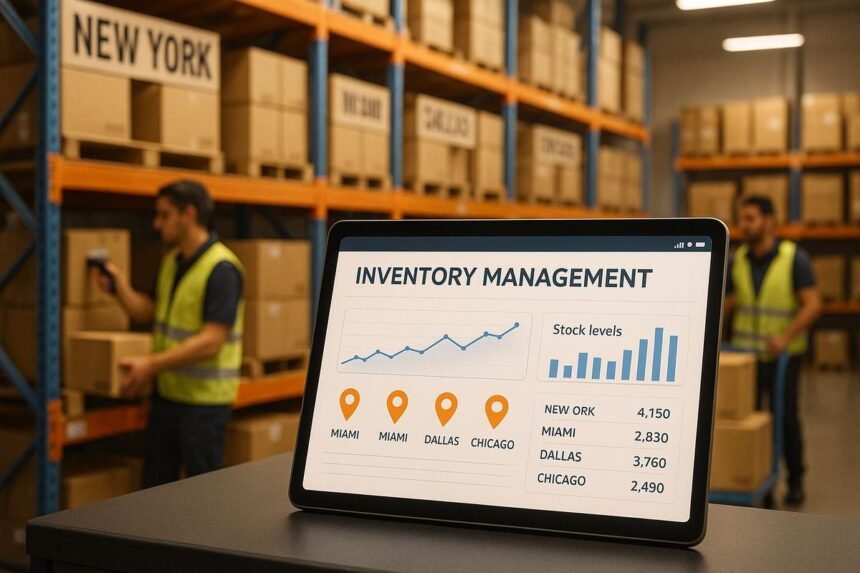
Markdown pricing and inventory clearance are essential for retailers managing seasonal products, aging stock, and changing consumer demand. Poorly timed discounts can reduce profitability, while delayed markdowns increase holding costs and leave businesses with unsold merchandise.In 2026, advanced markdown optimization software helps retailers replace manual discounting with data-driven decisions. These solutions combine demand forecasting, pricing analytics, and inventory insights to improve sell-through while protecting margins.
TL;DR
The right markdown management software depends on assortment complexity, inventory turnover, and business priorities. Some platforms specialize in intelligent pricing, while others connect clearance decisions with forecasting and merchandise planning. Five solutions worth considering in 2026 are:
- Yieldigo – Best for AI-driven retail pricing and margin-focused markdown decisions.
- Blue Yonder – Best for connecting markdown planning with enterprise retail operations.
- Retalon – Best for predictive inventory and markdown optimization.
- Impact Analytics – Best for AI-powered merchandise planning and inventory decisions.
- Oracle Retail – Best for enterprise markdown execution and lifecycle pricing.
Best Markdown Pricing and Inventory Clearance Software for 2026
1. Yieldigo – Best for AI-Driven Retail Pricing and Margin Optimization
What It Is?
Yieldigo is an AI-powered retail pricing platform designed to help retailers manage complex assortments, automate pricing decisions, and improve profitability. It combines machine learning, pricing rules, and predictive analytics to support more informed commercial decisions. Its scenario simulations help retailers evaluate potential pricing changes before implementation. These capabilities can support markdown strategies by helping teams assess demand responses, margin implications, and broader assortment effects.
Best For:
Yieldigo is particularly suitable for grocery, FMCG, and other high-SKU retailers seeking greater control over pricing decisions across multiple categories and locations. It also serves pricing teams looking to reduce spreadsheet dependency while maintaining transparency and control over automated recommendations.
Key Capabilities:
- AI-powered pricing. Uses predictive analytics to support pricing decisions across extensive assortments.
- What-if simulations. Estimates the commercial impact of alternative pricing scenarios.
- Price elasticity analysis. Helps identify how customer demand responds to price changes.
- Pricing rules. Automates decisions within predefined commercial constraints.
Strategic Strengths:
Yieldigo combines advanced analytics with a user-friendly pricing environment. Its emphasis on scenario modeling, category relationships, and margin protection makes it valuable for retailers seeking controlled, data-driven markdown decisions rather than blanket discounts.
Considerations:
Yieldigo is primarily a pricing optimization platform rather than a complete warehouse or inventory management system. Retailers should confirm how its pricing capabilities integrate with their clearance workflows and inventory data.
Pricing:
Custom pricing is available upon request.
G2 Rating: 4.6 / 5
2. Blue Yonder – Best for Enterprise Retail Planning and Markdown Coordination
What It Is?
Blue Yonder provides retail planning and supply chain solutions covering merchandising, inventory, forecasting, and pricing-related workflows. Its retail capabilities help businesses coordinate commercial decisions with operational planning. For markdown management, this broader approach helps retailers connect clearance objectives with demand forecasts, inventory availability, and merchandise strategies.
Best For:
Blue Yonder suits large retailers managing extensive assortments, multiple sales channels, and complex inventory networks. It is especially relevant for organizations seeking closer coordination between merchandising, pricing, and supply chain teams.
Key Capabilities:
- Retail planning. Coordinates merchandise decisions across departments.
- Demand forecasting. Supports inventory decisions using predictive demand insights.
- Inventory visibility. Helps teams understand stock positions and replenishment requirements.
- Planning integration. Connects commercial strategies with supply chain operations.
Strategic Strengths:
Blue Yonder’s main advantage is its enterprise planning ecosystem. Retailers can consider markdowns alongside inventory availability and operational constraints rather than treating discounting as an isolated activity.
Considerations:
Its broad functionality may involve significant implementation effort. Retailers should verify which specific pricing and markdown modules are included in their proposed configuration.
Pricing:
Enterprise pricing is available through a customized quotation.
G2 Rating: 4.2 / 5
3. Retalon – Best for Predictive Inventory and Markdown Optimization
What It Is?
Retalon provides AI-driven retail analytics designed to improve inventory, pricing, merchandising, and demand planning. Its technology supports retailers making decisions across the merchandise lifecycle. The platform uses predictive modeling to help businesses identify inventory risks and optimize commercial strategies, including markdown and clearance planning.
Best For:
Retalon is suitable for fashion, specialty, and general merchandise retailers managing seasonal demand and changing inventory requirements. It is particularly useful for businesses seeking to coordinate pricing decisions with stock performance and merchandise planning.
Key Capabilities:
- Predictive analytics. Estimates demand and merchandise performance.
- Markdown optimization. Supports discount decisions throughout the product lifecycle.
- Inventory planning. Helps align stock levels with expected demand.
- Merchandise analytics. Provides insights into product and assortment performance.
Strategic Strengths:
Retalon’s strength lies in connecting predictive retail analytics with merchandise decisions. This helps retailers evaluate clearance opportunities while considering inventory performance and future demand.
Considerations:
The platform’s effectiveness depends on reliable sales and inventory data. Businesses should assess integration requirements and the specific modules available.
Pricing:
Pricing is customized according to business requirements.
G2 Rating: 5.0 / 5
4. Impact Analytics – Best for AI-Powered Merchandise and Inventory Decisions
What It Is?
Impact Analytics develops AI-based retail solutions supporting assortment planning, inventory decisions, forecasting, and pricing optimization. Its applications help retailers make more informed merchandising decisions. Its retail analytics approach can support markdown management by identifying demand patterns, inventory imbalances, and opportunities to improve sell-through.
Best For:
Impact Analytics is suited to fashion, apparel, and specialty retailers seeking more accurate merchandise planning and inventory decisions. It is especially relevant for organizations managing seasonal assortments and looking to reduce reactive discounting.
Key Capabilities:
- AI forecasting. Supports merchandise decisions using demand predictions.
- Assortment optimization. Helps align product selections with local demand.
- Inventory analytics. Identifies potential overstock and stock imbalances.
- Pricing insights. Supports decisions around product profitability and sell-through.
Strategic Strengths:
Impact Analytics connects merchandise intelligence with operational decisions. Its focus on assortment localization and predictive analytics can help retailers address excess inventory before aggressive clearance becomes necessary.
Considerations:
Impact Analytics offers multiple specialized products, so retailers should verify which applications support their specific markdown requirements and whether additional modules are necessary.
Pricing:
Custom enterprise pricing is available upon request.
G2 Rating: NA
5. Oracle Retail – Best for Enterprise Markdown Execution and Lifecycle Pricing
What It Is?
Oracle Retail provides enterprise retail applications covering pricing, merchandising, inventory, and commercial operations. Its pricing capabilities support retailers managing complex product lifecycles. Oracle Retail pricing applications can help businesses execute markdowns, manage pricing rules, and coordinate clearance activities across stores and channels.
Best For:
Oracle Retail is designed for large retailers requiring centralized pricing processes and enterprise-wide operational consistency. It is particularly suitable for businesses already using Oracle technology and seeking tighter integration between merchandising and pricing.
Key Capabilities:
- Markdown management. Supports planned price reductions and clearance execution.
- Pricing workflows. Helps standardize retail pricing decisions.
- Merchandising integration. Connects pricing activities with product information.
- Enterprise scalability. Supports complex organizational and store structures.
Strategic Strengths:
Oracle Retail’s strength is its integration with enterprise retail operations. Centralized pricing workflows can improve consistency, governance, and coordination across extensive retail networks.
Considerations:
Implementation may require substantial technical resources and system integration. Businesses should distinguish between Oracle’s pricing execution tools and advanced predictive optimization capabilities.
Pricing:
Pricing is provided through customized enterprise quotations.
G2 Rating: 4.2 / 5
Why Trust Our Software Reviews?
This comparison focuses on practical software capabilities relevant to markdown pricing, clearance planning, and inventory performance. Each solution is assessed according to its intended retail use cases rather than broad popularity.
We distinguish specialized pricing optimization platforms from larger merchandise planning suites. This matters because not every inventory management system provides predictive markdown recommendations.
Public product information and G2 review data inform the comparison. Ratings are included only when identifiable, and limited review samples are highlighted rather than presented as conclusive evidence of product quality.
How We Evaluated Markdown Pricing and Inventory Clearance Software for 2026
We considered how effectively each platform helps retailers make profitable clearance decisions. Particular attention was given to pricing intelligence, inventory coordination, operational usability, and enterprise requirements. The evaluation also considers differences between predictive optimization and basic markdown execution, since these capabilities solve different business problems.
- Pricing intelligence. We examined whether solutions support data-driven discount decisions. Predictive capabilities were distinguished from predefined pricing rules.
- Inventory alignment. We considered how pricing decisions connect with stock availability and demand forecasts. This is important for avoiding unnecessary discounting.
- Automation. We assessed the potential to reduce manual pricing work. Clear approval processes and business controls were also considered.
- Integration. We reviewed how platforms fit into broader retail technology environments. Reliable data exchange is essential for effective clearance management.
What Are the Benefits of Markdown Pricing and Inventory Clearance Software?
Improved profitability
Intelligent markdown decisions help retailers avoid unnecessary price reductions. Businesses can evaluate margin implications before changing prices. This supports more balanced commercial strategies. Profitability remains central throughout clearance planning.
Reduced excess inventory
Clearance software helps identify slow-moving merchandise. Earlier visibility supports more timely action. Retailers can improve sell-through before products become obsolete. This reduces prolonged stock exposure.
Better demand forecasting
Predictive analytics helps estimate customer responses to discounts. Retailers can compare different markdown scenarios. More accurate forecasts support inventory planning. This makes clearance decisions less dependent on intuition.
Greater operational efficiency
Automated workflows reduce repetitive pricing tasks. Teams can manage larger assortments with more consistent rules. Centralized information improves coordination. Pricing specialists can focus on strategic decisions.
Most Common Types of Markdown Pricing and Inventory Clearance Software
AI-driven markdown optimization platforms use predictive analytics to recommend pricing decisions based on demand, elasticity, and commercial objectives. They are particularly useful for retailers seeking to balance sell-through and margins.
Retail merchandise planning platforms connect clearance activities with inventory, assortment, and demand planning. They help businesses coordinate markdown strategies with broader merchandising operations.
Rule-based pricing management systems focus on executing discounts according to predefined policies, schedules, and approval workflows. These tools provide operational consistency but may offer less predictive intelligence than dedicated optimization platforms.
How to Pick the Right Markdown Pricing and Inventory Clearance Software for Your Business
Start by identifying your main clearance challenges. Retailers dealing with seasonal merchandise may prioritize lifecycle markdown optimization, while grocery businesses may require pricing intelligence across large assortments. Next, assess existing systems, data quality, and implementation resources. A suitable platform should support current operations without introducing unnecessary complexity.
- Define your objectives. Decide whether the priority is margin protection, inventory reduction, or automation. Use measurable business KPIs to evaluate potential solutions.
- Check forecasting capabilities. Determine whether the platform predicts markdown outcomes or simply executes discounts. Request demonstrations using realistic product scenarios.
- Evaluate integrations. Confirm compatibility with ERP, POS, and inventory systems. Reliable data availability is essential for timely decisions.
- Assess usability. Pricing teams need understandable recommendations and clear controls. Complex models should not prevent users from making informed decisions.
- Review total costs. Consider licensing, integration, training, and maintenance expenses. Compare expected operational benefits against the full investment.
Conclusion
Markdown pricing and inventory clearance management are increasingly important for retailers balancing profitability with changing demand. Modern software helps organizations move beyond reactive discounting toward more structured commercial decisions.
Yieldigo is a compelling choice for retailers prioritizing AI-driven pricing intelligence and margin-focused decisions. Blue Yonder and Oracle Retail address broader enterprise requirements, while Retalon and Impact Analytics offer predictive approaches to merchandise and inventory planning.
The right solution ultimately depends on business complexity, product lifecycles, and existing technology. Retailers should evaluate real workflows, integration requirements, and measurable commercial outcomes before making a decision.
FAQ
What is markdown pricing software?
Markdown pricing software helps retailers plan and manage product price reductions. It may use forecasting, pricing rules, or predictive analytics to guide decisions. Advanced platforms help balance inventory clearance with profitability.
How does AI improve inventory clearance?
AI analyzes historical sales, demand patterns, and inventory information. It can help estimate how customers respond to different discounts. This supports more targeted clearance strategies and reduces reliance on manual assumptions.
What is the difference between markdown optimization and inventory management?
Markdown optimization focuses on pricing decisions that improve product sell-through and margins. Inventory management tracks stock availability, movement, and replenishment. Integrated solutions connect both functions to support coordinated retail decisions.
Can markdown software reduce excess inventory?
Yes, markdown software can help retailers identify opportunities to accelerate sales of slow-moving products. Predictive tools support more timely discount decisions. Results depend on data quality, demand conditions, and execution.
How should retailers evaluate markdown software pricing?
Retailers should consider subscription or licensing fees alongside implementation and integration costs. They should also assess expected savings from automation and improved inventory performance. A practical pilot can help establish whether the investment delivers measurable value.