


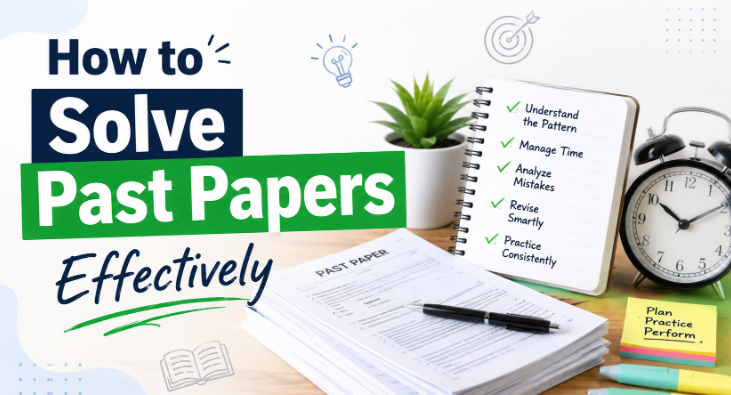
Introduction to Past Papers
Past papers, which comprise previously administered examination questions, serve as an invaluable resource for students preparing for upcoming assessments. They encompass a variety of question types and formats, giving learners a comprehensive view of what to expect on their actual exams. By reviewing these documents, students can familiarize themselves with the structure and expectations of their respective subjects, providing a clearer understanding of the examination process.
One of the primary benefits of utilizing past papers is their role in helping students grasp the level of difficulty associated with exam questions. Each past paper presents not only the style of questions that might be asked but also the range of topics covered within the curriculum. This exposure can significantly alleviate student anxiety related to exam day, as it allows them to visualize the types of questions they may encounter.
Furthermore, completing past papers offers a practical method for students to assess their knowledge and identify areas requiring further study. By testing themselves against real exam questions, students can measure their understanding and retention of the material. This self-assessment is critical; it not only boosts confidence but also encourages proactive learning behavior, prompting students to seek help or dedicate additional time to challenging topics.
Incorporating past papers into study routines ultimately enhances preparation strategies. Apart from improving content knowledge, this practice enables students to develop effective time management skills—learning to allocate appropriate amounts of time to various topics, a crucial capability for achieving success in any examination. Thus, past papers serve as an essential tool in the academic arsenal of any diligent student.
Benefits of Solving Past Papers
Utilizing past exam papers as a study resource offers numerous advantages that can significantly enhance a student’s examination performance. One of the primary benefits is the opportunity to familiarize oneself with the exam format. By practicing with previous iterations of the exam, students can gain insight into the structure and types of questions that are likely to appear. This exposure reduces uncertainty and helps learners to approach their assessments with a clearer mindset, ultimately leading to a more organized response to the questions presented.
Another significant advantage of solving past papers is the identification of strengths and weaknesses in a student’s knowledge and skills. By completing these papers, individuals can pinpoint specific areas where they excel as well as topics that require further review. This diagnostic function allows for targeted study sessions, fostering a more efficient allocation of time and resources in preparation for the exams.
Moreover, tackling past papers aids in improving time management skills, which are crucial during actual exam conditions. As students practice under timed conditions, they learn to allocate their time wisely, ensuring that they can complete all questions to the best of their abilities. This capability also promotes a sense of urgency that mimics real exam pressure, thereby preparing students both mentally and emotionally.
Lastly, consistent practice with past papers instills a sense of confidence in students. As they become accustomed to answering exam questions and learn to navigate different question styles, their self-assurance increases. This boost in confidence is vital, as it often translates to improved performance on the actual exam day. By leveraging the advantages of past paper practice, students can cultivate a disciplined and strategic approach to their studies.
Choosing the Right Past Papers
Selecting the appropriate past papers is crucial in maximizing your exam preparation efforts. The relevance of these papers to your current syllabus should be your foremost consideration. Ensure that the topics covered in the past papers align closely with what you are currently studying. Educational content frequently evolves, and the curriculum can change; therefore, it is essential to choose past papers that reflect the current syllabus to stay on track with your learning objectives.
Academically, the level of the past papers is another critical factor. Ensure that you are reviewing papers that correspond with your academic stage, whether it be foundational, intermediate, or advanced. Past papers that are too easy may not adequately challenge you, while those that are too complex can lead to frustration and disengagement. Adhering to your academic level helps build confidence progressively while reinforcing your understanding of the subject matter.
Additionally, pay attention to the publication date of the past papers. Using outdated materials can lead to a lack of relevance in exam preparation, especially in subjects where content and assessment criteria may shift frequently. Opt for past papers published in recent years for the most accurate representation of what you can expect in upcoming examinations. This ensures that the format, question types, and topics are representative of the current examination standards.
By carefully considering these factors—relevance to the syllabus, academic level, and publication date—you can choose the right past papers, thereby enhancing the effectiveness of your preparation. This strategic approach not only assists in understanding the material but also contributes to greater overall readiness for exams.
Strategies for Effective Past Paper Practice
When preparing for exams, utilizing past papers can significantly enhance understanding and retention of the material. Here are several practical strategies to effectively work through past papers.
Firstly, time management is crucial. Allocate a specific time frame for each paper to simulate actual exam conditions. For instance, if the exam duration is two hours, set a timer accordingly when practicing. This helps cultivate not only your ability to complete the exam within the designated time but also your capacity to manage stress during the exam itself.
Secondly, breaking down past papers into smaller segments can make the process more approachable. Instead of attempting a full paper in one sitting, consider dividing it into sections based on topics. Focus on one segment at a time, which allows for deeper engagement with the material and helps prevent feelings of being overwhelmed by the breadth of the questions.
Moreover, prioritize topics based on both importance and difficulty. Review the exam syllabus and identify the areas where you feel less confident or those that frequently appear on past papers. By concentrating your efforts on these key topics, you enhance the efficiency of your study sessions. Keeping a record of your performance on these topics can help monitor progress and highlight areas needing further revision.
Additionally, after completing a practice paper, it is vital to review your answers thoroughly. Analyze the questions you answered incorrectly and understand the reasoning behind the correct answers. This not only reinforces learning but also develops critical thinking skills essential for exam success. Implementing these strategies will ensure that your past paper practice is structured and effective, paving the way for improved performance in your examinations.
Common Mistakes to Avoid
When tackling past papers, students often make several common mistakes that can hinder their effectiveness in exam preparation. One prevalent error is failing to adhere to the time limits specified for each paper. Time management is critical in examinations, and practicing under timed conditions is essential to simulate the actual exam environment. Students may find themselves spending too much time on a single question, which can lead to incomplete papers and increased anxiety during the actual exam.
Another frequent mistake involve neglecting to review or thoroughly understand the solutions after completing a past paper. Simply finishing a paper does not guarantee comprehension of the material. It is imperative for students to spend time reviewing their answers, especially the ones they got wrong. This reflection helps identify weaknesses and solidifies knowledge. By understanding why a particular answer is correct or incorrect, students can improve their grasp of important concepts.
Additionally, students often overlook the importance of analyzing their overall performance after completing a series of past papers. This analysis should not only focus on the scores achieved but also encompass understanding trends in question types and topics where performance lags. By evaluating their results, students can prioritize areas that require further study and adapt their revision strategies accordingly. Such a systematic approach can significantly enhance efficiency and ensure that study sessions are effectively tailored to address specific needs.
By being aware of these common pitfalls—time mismanagement, inadequate solution review, and lack of performance analysis—students can enhance their examination readiness and boost confidence leading up to their actual assessments.
Incorporating Feedback and Review
When engaging with past papers, self-assessment through reviewing completed work creates a pathway towards academic success. Feedback is an essential element in this process, serving as a critical tool for identifying strengths and areas needing improvement. After completing a past paper, it is paramount that students take the time to assess their answers comprehensively. This practice not only illuminates what was done well but also highlights misconceptions or gaps in knowledge that must be addressed for future improvement.
Integrating feedback into one’s study routine is equally important. This could come from teachers, peers, or even through self-generated reflections. By analyzing the feedback received, students can make targeted decisions about which topics or question types to revisit. For instance, if a significant number of incorrect answers occurred in a specific section, it indicates that further study is necessary. Consequently, focusing on these areas can enhance overall understanding and better prepare students for future assessments.
Moreover, reviewing past papers can facilitate the development of effective exam strategies. Through analysis of one’s performance, students can identify patterns, such as whether they are consistent in stumbling over time management or particular types of questions. Developing a keen awareness of these tendencies empowers students to implement tailored strategies. Such strategies might include allocating time differently during practice tests or practicing specific question formats more intently.
In conclusion, the process of reviewing completed past papers combined with constructive feedback fosters a deeper comprehension of the subject matter. This methodology ensures that students not only grasp their current knowledge but also engage in continuous improvement, ultimately enhancing their preparedness for future examinations.
Simulating Exam Conditions
Simulating real exam conditions when solving past papers is an essential strategy for effective preparation. This practice not only familiarizes students with the exam format but also helps manage time efficiently and reduces anxiety for the actual test day. To begin, it is crucial to create a designated workspace that replicates the environment of an examination hall. This area should be quiet, well-lit, and free from distractions, allowing the student to focus entirely on the task at hand.
Moreover, eliminating distractions can significantly enhance concentration. Students should consider turning off their phones or other electronic devices that may cause interruptions. If necessary, informing family or housemates of the study schedule can ensure that one is not disturbed during this critical preparation time. Establishing boundaries in the workspace enables students to simulate the solitude often required in a traditional exam setting.
Another important aspect of simulating exam conditions is timing. When planning to solve a past paper, students should replicate the time constraints of their actual exams strictly. This means setting a timer for the same duration as the allotted test time and adhering to it without any extensions. By doing so, students can develop pacing strategies that will serve them well during the real exam.
Furthermore, students should prioritize reviewing and completing past papers under these conditions regularly. This not only aids in identifying knowledge gaps but also builds confidence in handling exam pressures. The more familiar the student becomes with their environment and the timeframe, the better prepared they will be on the day of the exam.
Leveraging Group Study Sessions
Group study sessions can significantly enhance the process of solving past papers, providing numerous benefits that individual study cannot replicate. One of the primary advantages is the opportunity for diverse perspectives. When tackling past exam questions together, each member may offer different insights or approaches, allowing the group to explore various methods for answering questions effectively. This exchange of ideas is beneficial not only for understanding complex concepts but also for fostering a deeper comprehension of the material.
To organize effective group study sessions, it is essential to establish clear objectives and guidelines. Encourage participants to prepare by selecting specific past papers to discuss in advance. This preparatory work enables everyone to arrive with a foundational understanding of the chosen topics, facilitating a more productive discussion. Designate a meeting place that is conducive to learning, whether it be a quiet room, a library, or a comfortable home environment, ensuring that all members can focus without distractions.
Additionally, consider assigning roles within the group. For instance, one person could lead the discussion for a particular paper, while others take notes or summarize key points. This not only holds everyone accountable but also allows each member to develop leadership and communication skills. Regularly rotating roles can help keep the sessions engaging and inclusive.
Moreover, utilizing collaborative tools such as shared documents or online forums can enhance communication, especially if members cannot meet in person. This way, participants can continue discussing and preparing for exams outside of scheduled sessions. By leveraging the strengths of each group member and maintaining a focused environment, students are likely to improve their performance and increase confidence when approaching past papers.
Conclusion and Final Tips
Effectively solving past papers is a crucial aspect of exam preparation that can significantly enhance student performance. This process not only provides insight into the structure of the examination but also familiarizes students with types of questions they may encounter. By engaging with past papers, learners can identify their strengths and weaknesses, allowing them to allocate study time more efficiently. Furthermore, incorporating this practice into a regular study routine can help mitigate exam anxiety, as it builds both confidence and competence.
To make the most out of past papers, students should start by ensuring they approach each paper as if it were the actual exam. This includes adhering to the time limits and minimizing distractions during practice sessions. Reviewing the solutions to their answers is equally important; analyzing incorrect responses will help reinforce learning and clarify any misunderstandings. Students should also consider discussing their answers with peers or educators, as this collaboration can reveal new insights and improve comprehension.
In addition to these practices, diversifying study methods can enhance effectiveness. Mixing past paper reviews with other forms of revision—such as studying relevant textbooks, utilizing online resources, and attending review sessions—can provide a more rounded understanding of the subject matter. Finally, maintaining a positive mindset while tackling past papers can greatly influence performance. A proactive approach that views these papers as learning tools rather than mere exercises will cultivate a more engaged and motivated learner.
In summary, the integration of past papers into a student’s study plan can lead to improved preparedness and higher examination success. By adhering to these strategies and cultivating a consistent study routine, students can maximize their potential and achieve their academic goals.